From Concept to Collection: The Modern Fashion Development Process
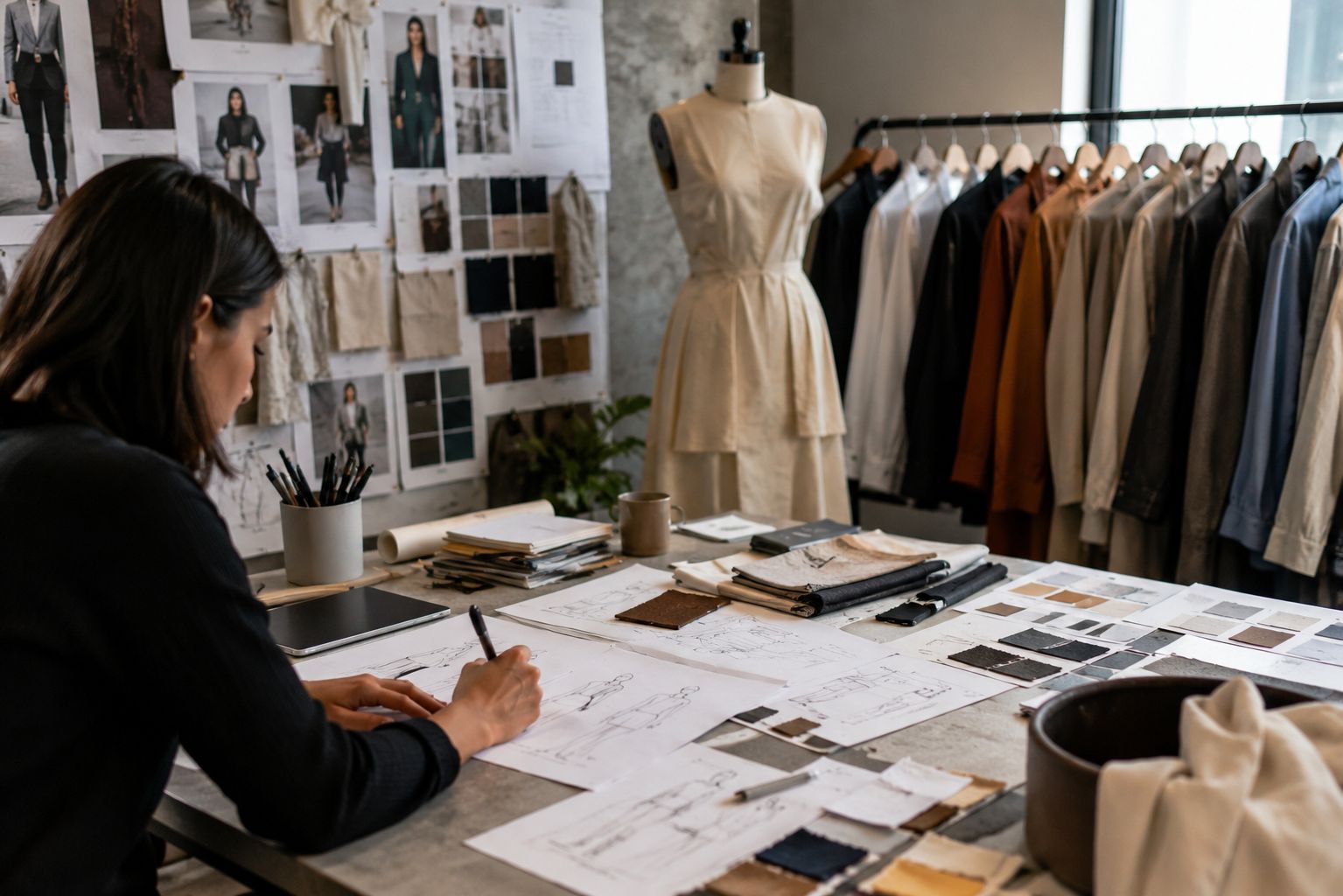
In today’s fast-evolving fashion industry, turning a creative idea into a finished collection is no longer just about design, it’s about strategy, speed, and precision.
The modern fashion development process blends creativity with data-driven decision-making, making it crucial for brands to master every stage from idea and sampling to production and distribution.
Successful fashion brands today combine creativity, strategy, production precision, and consumer understanding at every stage of development.
1. Idea Stage: Where Creativity Meets Market Demand
Every collection begins with an idea, but the most successful brands don’t rely on inspiration alone. They combine trend forecasting, consumer insights, and brand identity to shape concepts that resonate.
- Market trends and consumer behavior
- Seasonal forecasts and color directions
- Competitor positioning
Brands succeed when they align creativity with market demand, while others fail when they design in isolation without understanding what customers truly want.
2. Sampling Stage: Turning Vision into Reality
Sampling is where ideas are tested and refined. This stage involves creating prototypes, selecting fabrics, and perfecting garment fits before production begins.
- Fabric sourcing and material testing
- Pattern making and garment construction
- Fit trials and revisions
Brands that invest time into multiple sample iterations often achieve stronger quality and consistency, while rushed sampling can lead to expensive production mistakes.
3. Production Stage: Scaling with Precision
Once samples are approved, the process moves into production. Efficiency, supplier relationships, and quality control become essential during this stage.
- Ethical manufacturing and sustainability
- Small-batch vs mass production strategies
- Cost optimization without compromising quality
Successful brands focus on reliable manufacturing partnerships and consistent quality checks, while others struggle when they prioritize low costs over product standards.
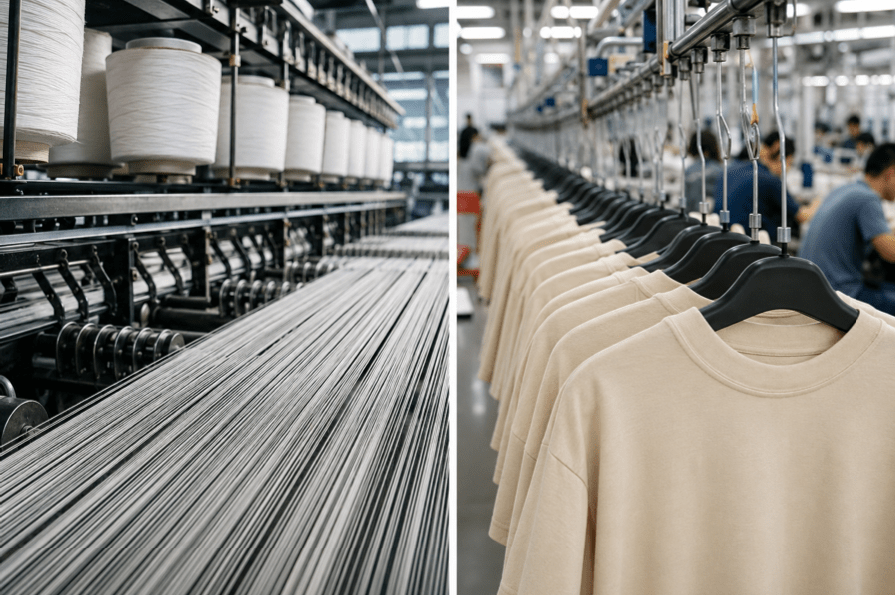
Behind the Scenes of a Fashion Supply Chain: From Fibre to Finished Garment
4. Distribution Stage: Getting Products to Market
Even the best-designed collection can fail without a strong distribution strategy. Modern fashion brands must manage both physical retail and digital commerce efficiently.
- E-commerce and direct-to-consumer strategies
- Wholesale partnerships
- Global logistics and inventory management
Brands succeed when they build strong omnichannel experiences and optimize delivery speed. Poor inventory planning and shipping delays, however, often lead to lost sales opportunities.
The Key to a Successful Fashion Collection
The journey from concept to collection is a complex process that demands both creativity and operational excellence. Brands that succeed are those that stay agile, prioritize quality, and deeply understand their audience at every stage.
In a competitive fashion landscape, it’s no longer enough to just create — it’s about creating with purpose, producing with precision, and delivering with impact.