How Gen Z Is Rewriting Fashion Through Thrifting, Digital Identity & Transparency
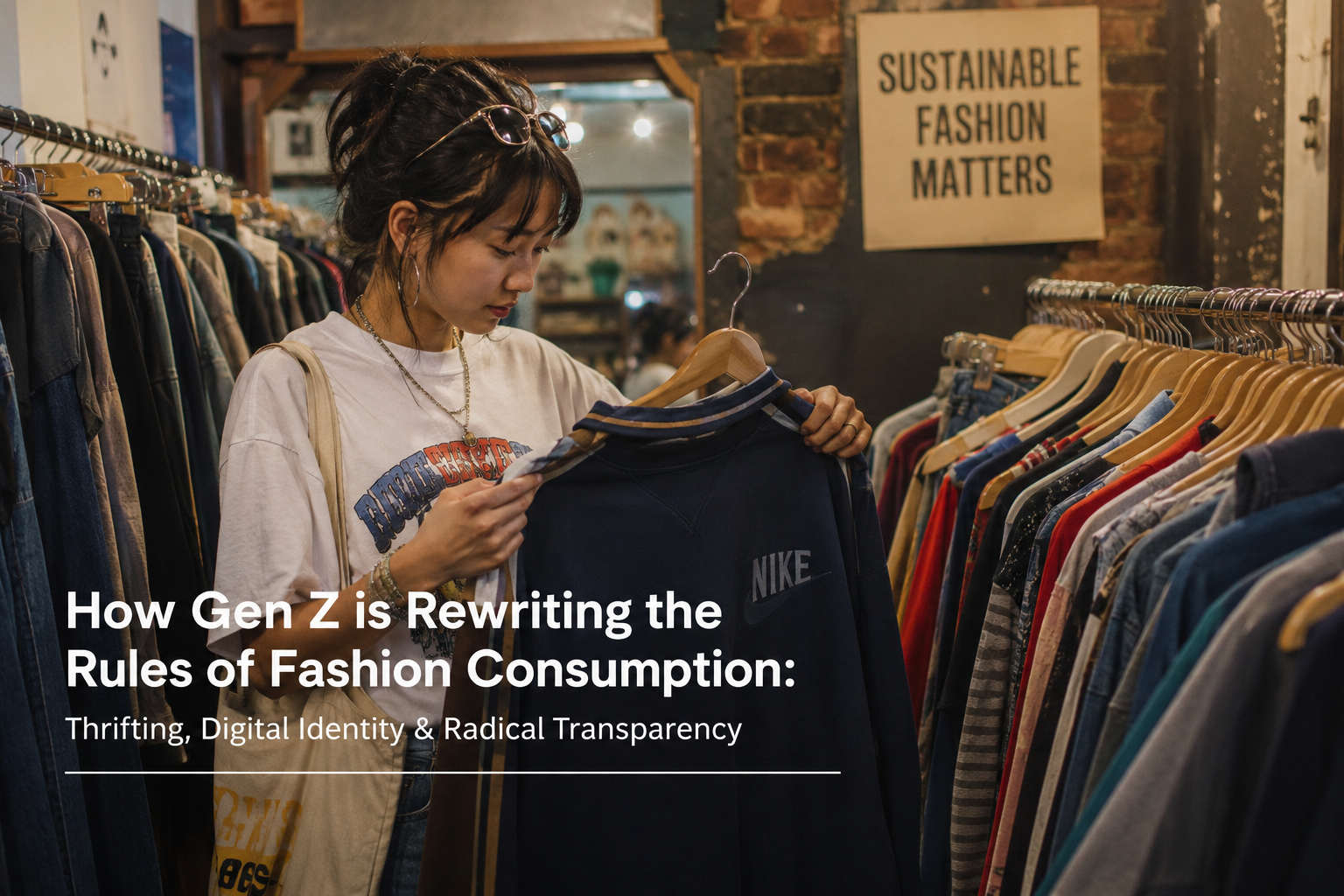
The fashion industry is undergoing a radical transformation, and at the center of it is Gen Z, a generation that is not just consuming fashion but redefining it entirely.
Unlike previous generations, Gen Z shoppers are driven by values, identity, and digital influence, forcing brands to rethink everything from production to storytelling.
So, what exactly is changing? Let’s break down how Gen Z is rewriting the rules of fashion consumption.
Gen Z is reshaping fashion through thrifting, digital identity, and a growing demand for transparency, authenticity, and purpose-driven brands.
The Rise of Thrifting & Resale Culture
Gone are the days when second-hand fashion was stigmatized. For Gen Z, thrifting is not just a trend, it is a lifestyle.
Platforms like Depop and Vinted have transformed resale into a mainstream movement, making it easier than ever to buy and sell pre-loved clothing.
This shift is driven by two powerful motivations: sustainability and individuality.
- Reduce fashion waste and environmental impact
- Access unique and one-of-a-kind pieces
- Support a more sustainable fashion ecosystem
Gen Z consumers are highly aware of the environmental consequences of fast fashion. By choosing resale, they actively contribute to reducing waste while creating wardrobes that reflect their personal style.
For brands, this means adapting to a world where circular fashion models, including resale, rental, and upcycling, are no longer optional but expected.
Digital Fashion & Identity: Style Beyond the Physical
For Gen Z, fashion does not stop at what they wear in real life. It extends into the digital world where personal identity is constantly being expressed and curated.
With the rise of virtual platforms and gaming ecosystems like Roblox, users are investing in digital clothing and avatars as new forms of self-expression.
Digital fashion unlocks limitless creativity without traditional production constraints, physical waste, or geographical limitations.
- Create unique digital identities
- Express personal style across virtual platforms
- Explore fashion without physical limitations
This shift reflects a deeper truth: fashion is becoming more about identity than ownership.
From Instagram aesthetics to virtual outfits, Gen Z is building multi-dimensional personal brands that exist both online and offline.
As a result, fashion companies are exploring NFTs, virtual collections, and digital drops to remain relevant in this evolving landscape.
Demand for Transparency & Authentic Storytelling
If there is one thing Gen Z values above all, it is authenticity.
Today's consumers want to know exactly who made their clothes, where they were produced, and what materials were used throughout the manufacturing process.
- Who made the garments?
- Where were the products manufactured?
- What materials and processes were used?
Brands that fail to provide clear answers risk losing consumer trust almost instantly.
This generation is driving the demand for radical transparency, expecting brands to openly communicate their supply chains, sustainability initiatives, and ethical commitments.
But transparency alone is not enough. Gen Z also seeks meaningful storytelling and genuine connections with the brands they support.
- Share a clear brand mission
- Demonstrate measurable impact
- Communicate the brand's journey and values
Consumers today are not simply purchasing products; they are investing in stories, values, and purpose.
In a highly competitive market, storytelling is no longer just marketing. It is credibility.
The Future of Fashion Is Value-Driven
Gen Z is not following the traditional rules of fashion. They are actively rewriting them.
From embracing thrifting and resale culture to building digital identities and demanding transparency, this generation is shaping a future where fashion is more conscious, expressive, and accountable.
For brands, the message is simple: adapt or fall behind.
The next generation of consumers expects more than great products. They expect brands to align with their values, support their identities, and contribute positively to the world around them.
Because in the world Gen Z is creating, fashion is not just about looking good. It is about doing good, feeling seen, and standing for something bigger.