The Psychology Behind Why We Buy Clothes We Never Wear
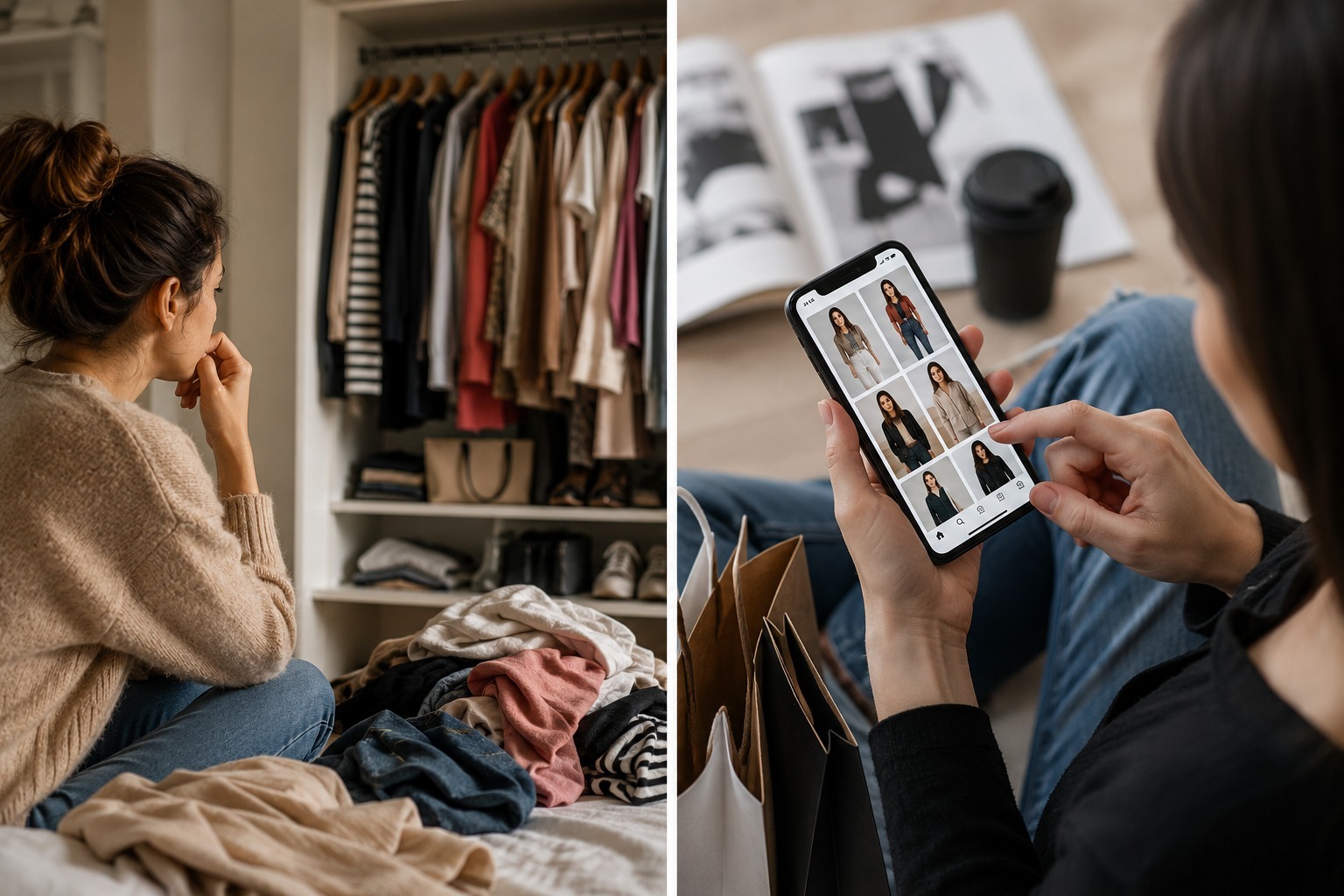
Why do we overbuy clothes yet still feel like we have “nothing to wear”? If your wardrobe is full but somehow unsatisfying, you’re not alone. The answer lies in fashion psychology, the subtle mix of emotions, identity, and digital influence shaping our shopping habits today.
This isn’t just about style. It’s about how we feel, who we want to be, and the constant pressure to keep up.
We often buy clothes for emotions, aspirations, and identity—not just because we need them.
Why Your Closet Is Full but You Still Have Nothing to Wear
This feeling isn't really about quantity, it's about mismatch. Most wardrobes are packed with impulse buys, trend pieces and aspirational purchases that don't actually connect to each other or to daily life. You might own dozens of items, yet few of them mix and match, suit your routine, or reflect how you actually spend your days.
"Nothing to wear" usually means nothing that feels right, not nothing that exists. When clothes are bought for a mood, a moment, or an imagined version of yourself rather than your real lifestyle, they end up sitting unworn, while your closet still feels perpetually incomplete.
The Dopamine Effect: Why Shopping Feels So Good
Ever noticed how adding items to your cart instantly lifts your mood? That’s not accidental. It’s what experts call dopamine dressing, the emotional high triggered by anticipation and reward.
When you shop:
- Your brain releases dopamine (the “feel-good” chemical)
- You associate buying with pleasure and control
- The excitement peaks before the purchase even arrives
The catch? Once the item is in your wardrobe, the emotional high fades. What’s left is often a piece that no longer excites you the same way, leading to a cycle of overbuying clothes you barely wear.
Identity Buying: Dressing for the Person You Want to Be
A huge part of why we overbuy clothes is tied to identity. We don’t just shop for who we are, we shop for:
- The “put-together” version of ourselves
- The gym girl, the minimalist, or the trendsetter
- The lifestyle we aspire to live
That blazer you bought for a life of meetings, or that vacation dress for trips you haven’t taken yet—these are aspirational purchases.
They’re not wrong. But when your real lifestyle doesn’t match your imagined one, those clothes sit untouched, quietly reminding you of a version of yourself that isn’t fully realized (yet).
Trend Anxiety: The Fear of Falling Behind
In the age of social media, trends move at lightning speed. What’s “in” today might feel outdated next week.
This creates trend anxiety:
- The fear of missing out (FOMO)
- Pressure to stay relevant online
- Constant comparison with influencers and peers
Platforms like Instagram and TikTok amplify this effect, pushing endless outfit inspiration—and subtle pressure to keep buying.
The result? Closets filled with micro-trends that lose relevance before you’ve had a chance to wear them.
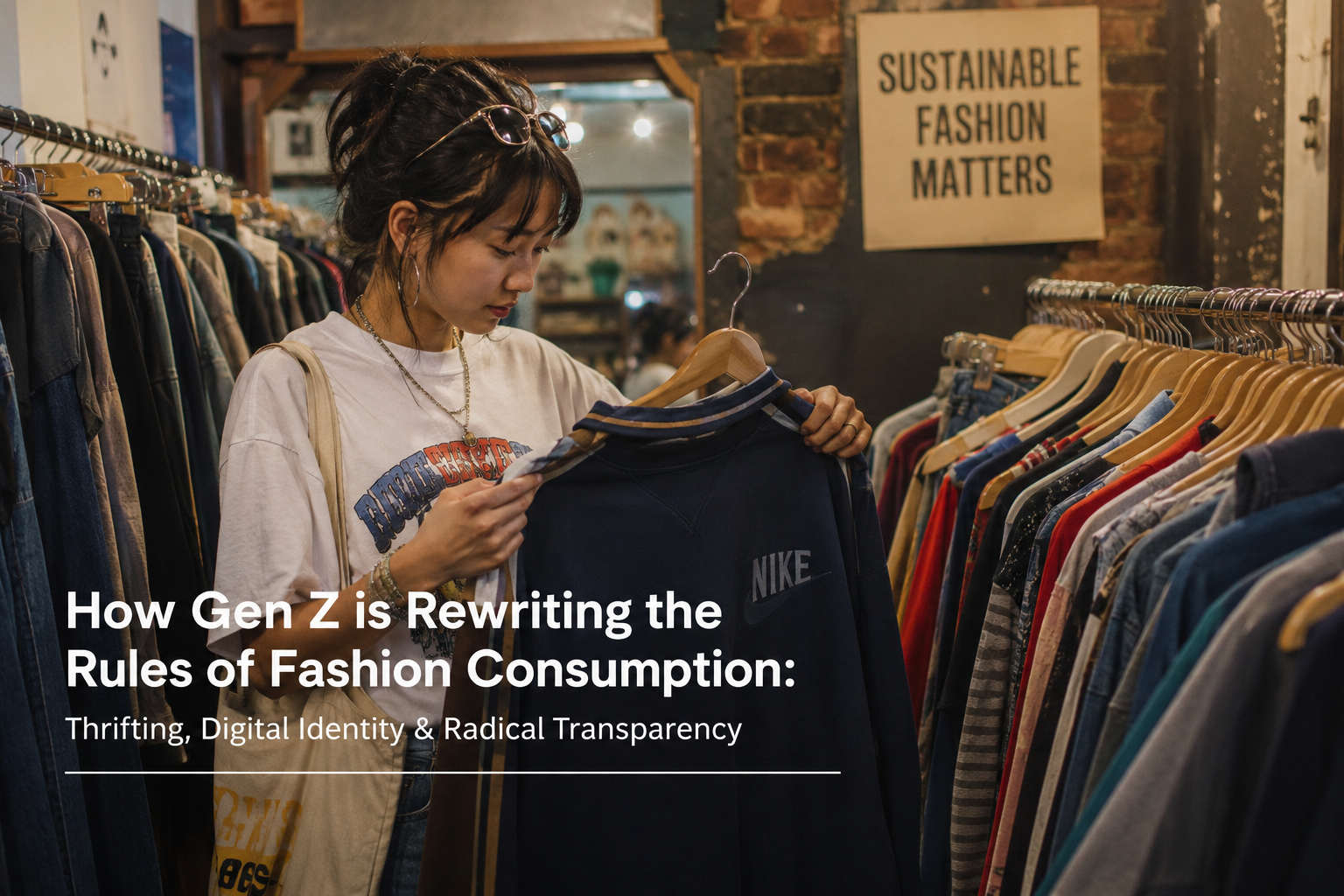
How Gen Z Is Rewriting Fashion Through Thrifting, Digital Identity & Transparency
The Social Media Illusion: Curated Lives, Impulsive Buys
Social media doesn’t just show clothes, it sells stories.
You’re not buying a dress. You’re buying:
- The aesthetic
- The lifestyle
- The confidence it promises
But what you see online is curated. Styled. Filtered.
When reality doesn’t match that fantasy, the purchase loses its emotional value.
This disconnect is a key driver of shopping habits that prioritize instant gratification over long-term satisfaction.

From Concept to Collection: The Modern Fashion Development Process
So, Why Do We Keep Doing It?
Because fashion is emotional. It’s tied to identity, mood, and belonging.
We overbuy clothes we never wear because:
- We chase feelings, not just outfits
- We dress for future versions of ourselves
- We’re influenced by fast-moving digital culture
Discover the Future of Fashion Sourcing: Inside Day 2 of Fashion SVP Edition 19
How to Break the Cycle
You don’t need to stop loving fashion—you just need to shop more consciously:
- Pause before buying: Ask, “Where will I actually wear this?”
- Align your wardrobe with your real lifestyle, not your imagined one
- Focus on longevity over trends
- Unfollow triggers that push unnecessary consumption
Understanding the psychology behind why we buy clothes we never wear is the first step toward building a wardrobe that truly reflects you.
Because great style isn’t about having more, it’s about wearing what you already own with intention.
How to Stop Buying Clothes You Never Wear
Breaking the habit starts with slowing down the buying moment itself. A simple waiting period, even 24 to 48 hours, gives the initial dopamine rush time to fade so you can judge the purchase more clearly. It also helps to shop with a short, specific list rather than browsing endlessly, since open-ended scrolling is what fuels impulse buying in the first place.
Beyond the moment of purchase, it helps to regularly audit your wardrobe. Notice which pieces you reach for again and again, and which ones still have tags on them, then use that pattern to guide what you buy next. Over time, this shifts shopping from reactive and emotional to intentional and lifestyle-driven.
Before You Buy Your Next Outfit, Ask Yourself These Questions
A few honest questions can interrupt an impulse buy before it happens:
- Will I actually wear this in my real, everyday life?
- Do I already own something similar?
- Am I buying this for how it looks online, or how it fits my routine?
- Would I still want this in a month, without the sale or the trend cycle pushing me?
- Does this pair with at least two or three things I already own?
If the answers make you hesitate, that hesitation is useful information, not something to shop past.
Understanding the psychology behind why we buy clothes we never wear is the first step toward building a wardrobe that truly reflects you.
Because great style isn't about having more, it's about wearing what you already own with intention.