Why Traceability Matters More Than Ever in Fashion Manufacturing
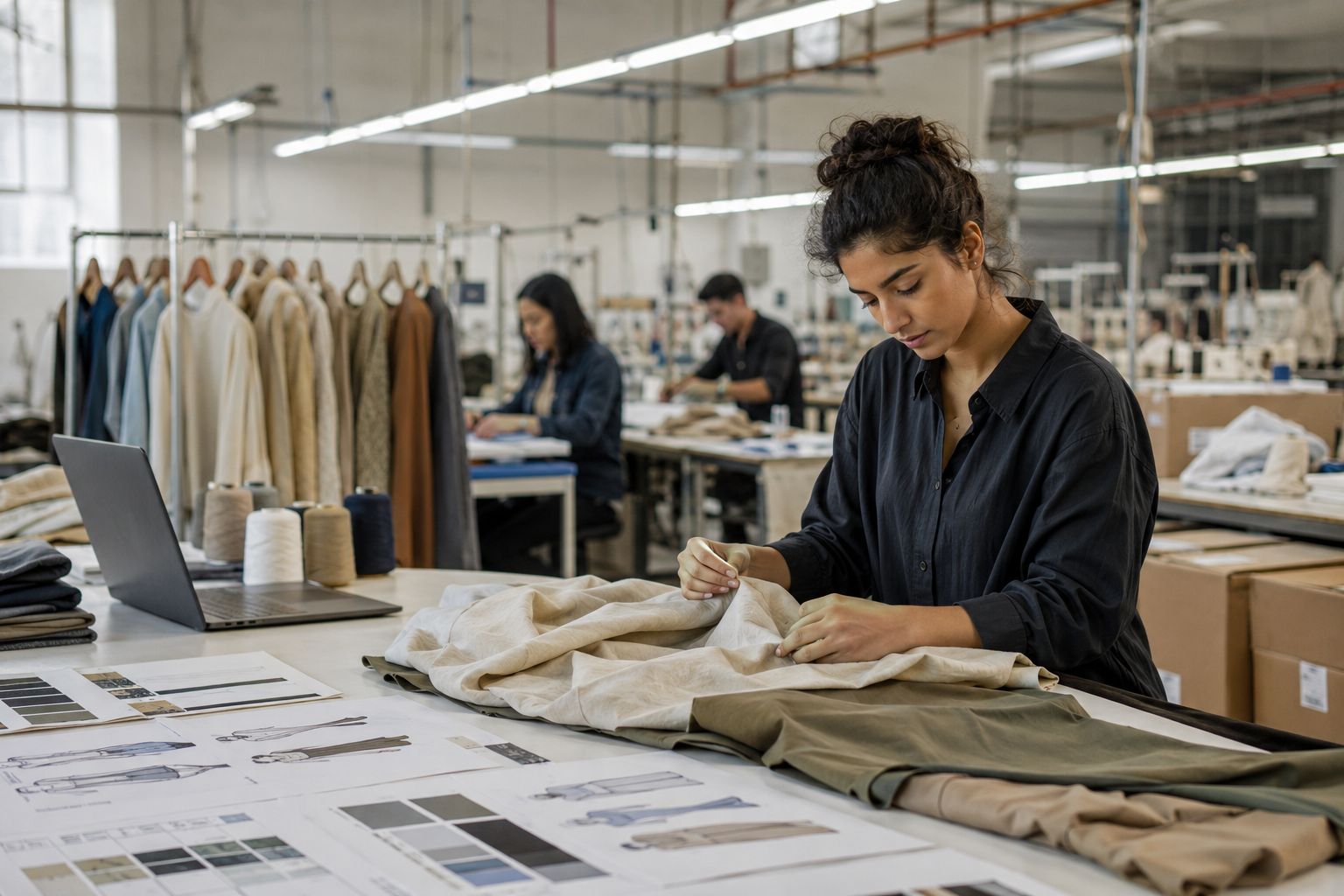
Today’s fashion industry is no longer driven by aesthetics and price alone. Consumers, retailers, and global brands are increasingly asking a critical question: Where did this product come from? From raw material sourcing to the final garment, transparency has become an essential part of doing business. This is where traceability plays a vital role.
Traceability refers to the ability to track every stage of a garment’s journey, from fiber and fabric production to dyeing, manufacturing, packaging, and delivery. As supply chains become more complex and global regulations continue to evolve, having complete visibility is no longer a competitive advantage. It is a business necessity.
Traceability is no longer just about compliance. It is the foundation for building trust, improving sustainability, and creating resilient fashion supply chains.
What is Traceability in Fashion Manufacturing?
Traceability in fashion manufacturing is the ability to record and verify a garment's complete journey, from the raw fibre used to make it, through spinning, weaving or knitting, dyeing, cutting, sewing and finishing, all the way to packaging and delivery. Every stage is documented so that a brand, retailer or customer can trace a finished product back to its exact source materials and production sites.
Unlike basic supply chain tracking, which may only monitor logistics or delivery timelines, traceability captures detailed information at every production step, including supplier identity, material origin, certifications, processing methods and quality checks. This level of detail allows brands to verify claims around sustainability, ethical labour and material authenticity with real, documented evidence rather than assumptions.
Why Traceability Matters
For fashion brands, traceability builds trust. Modern consumers are more informed than ever and expect brands to be transparent about how their products are made. They want assurance that materials are responsibly sourced, workers are treated ethically, and environmental standards are being followed.
Brands that can confidently provide this information strengthen customer loyalty while enhancing their reputation in an increasingly conscious marketplace.
Meeting Global Compliance Standards
Governments and international markets are introducing stricter regulations around supply chain transparency. Brands selling across Europe, North America, and other major markets are expected to demonstrate greater accountability regarding sourcing, labor practices, and sustainability.
Manufacturers that maintain detailed production records and transparent processes are better positioned to support their clients in meeting these compliance requirements.
Behind the Scenes of a Fashion Supply Chain: From Fibre to Finished Garment
Improving Operational Efficiency
Traceability also improves day-to-day operations. When every stage of production is documented, manufacturers can:
- Identify production bottlenecks more quickly.
- Maintain consistent product quality.
- Reduce manufacturing errors.
- Respond efficiently to product concerns or recalls.
Instead of reacting after production issues occur, businesses can proactively monitor their supply chains and resolve problems before they escalate.
Supporting Sustainability Goals
Sustainability is another key reason traceability has become indispensable. As brands work toward reducing their environmental impact, they require accurate data on materials, production methods, water consumption, and emissions.
Without traceability, measuring sustainability goals becomes difficult and often unreliable. Transparent supply chains enable brands to make informed sourcing decisions, improve manufacturing practices, and communicate their sustainability efforts with confidence.
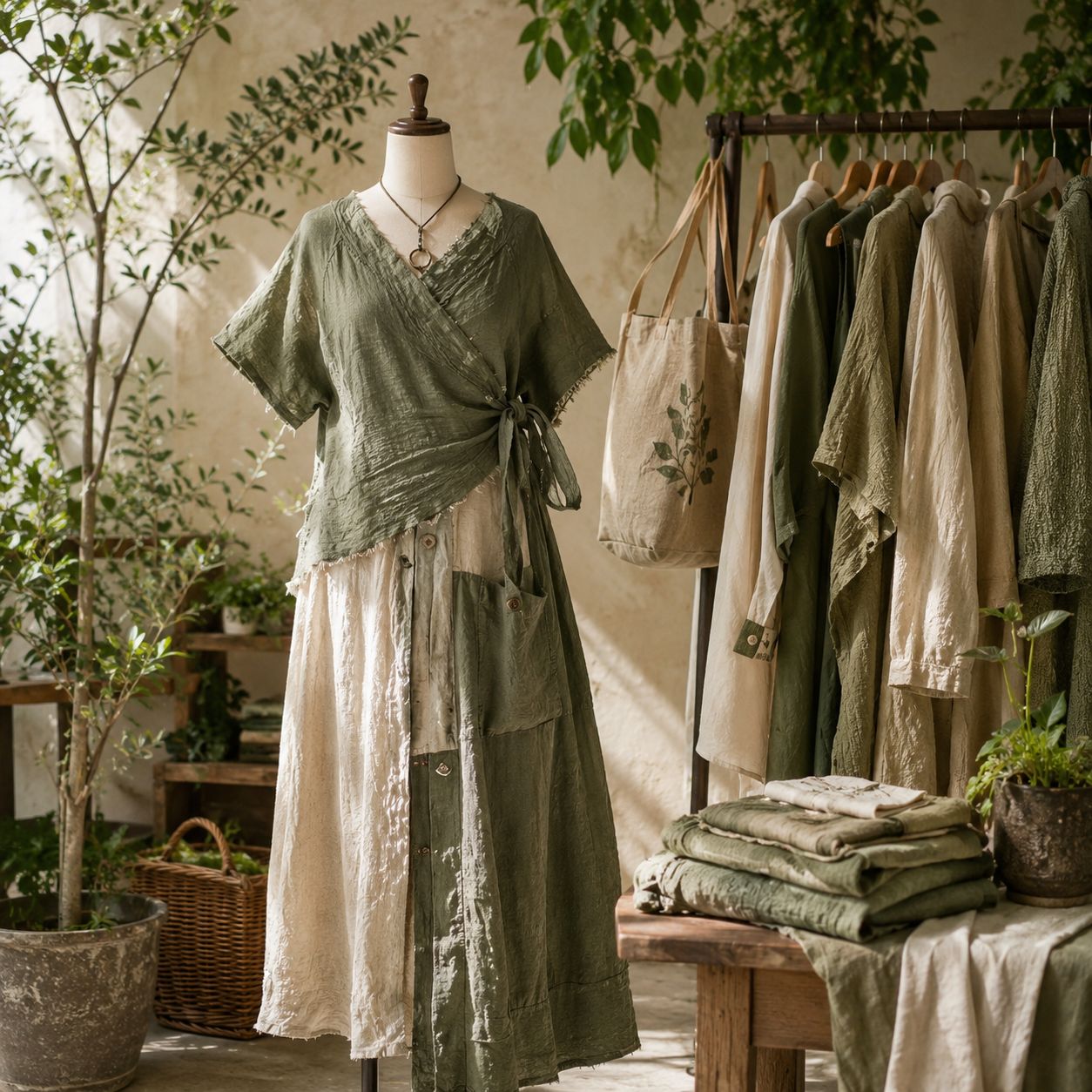
Sustainable Fashion Isn’t a Trend, It’s the New Standard
Fashion SVP’s Commitment to Transparent Manufacturing
At Fashion SVP, we believe traceability begins with strong manufacturing partnerships built on transparency and accountability. Our carefully vetted network of manufacturers provides brands with access to reliable production partners who prioritize ethical manufacturing, quality control, and responsible business practices.
We understand that successful sourcing extends beyond finding the right factory. It involves creating supply chains that brands can trust today and scale confidently for the future.
Looking Ahead
As the fashion industry continues to evolve, traceability will only become more important. It empowers brands to protect their reputation, meet regulatory expectations, improve operational performance, and build lasting consumer trust.
Businesses that invest in transparent manufacturing today will be better equipped to navigate future challenges while creating products that reflect both quality and responsibility.
In a marketplace where authenticity and accountability define long-term success, traceability is no longer an optional feature of fashion manufacturing. It is the foundation of a resilient, responsible, and future-ready supply chain. Choosing manufacturing partners who embrace transparency is one of the smartest investments a fashion brand can make.