What Buyers Look for When Sourcing High-End Fabrics
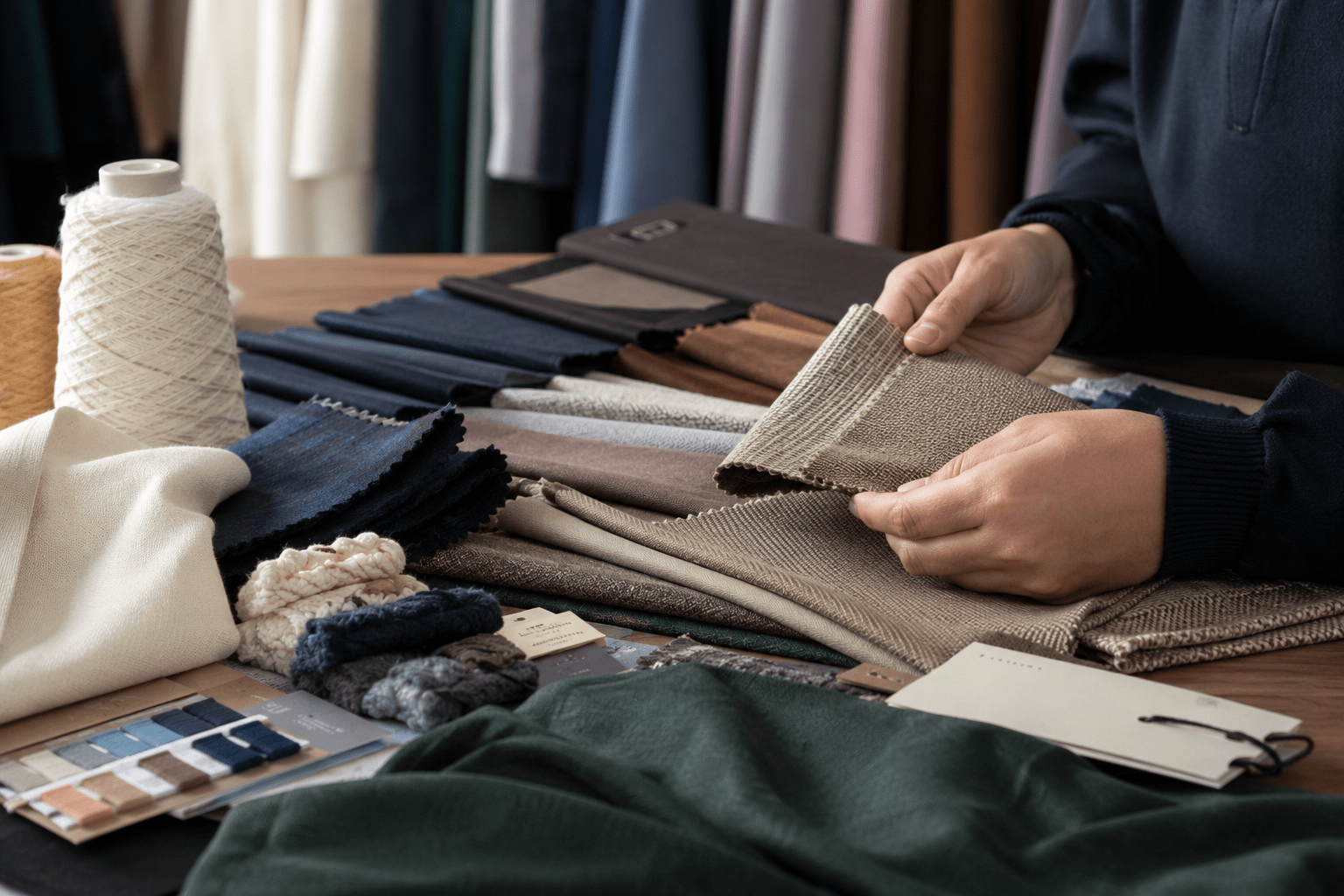
Luxury fashion has evolved beyond beautiful materials and premium price tags. Today’s buyers are sourcing fabrics with a far more strategic mindset, balancing craftsmanship, performance, sustainability, traceability, and commercial viability. Whether creating a timeless tailoring collection, premium knitwear, elevated womenswear, or luxury accessories, the fabric selected at the sourcing stage ultimately defines the quality, longevity, and perception of the finished garment.
For buyers attending sourcing exhibitions and meeting manufacturers, understanding what separates an exceptional fabric supplier from an average one is critical. Here are the key factors professional buyers evaluate when sourcing high-end fabrics.
Luxury buyers prioritise exceptional fibre quality, consistent craftsmanship, transparency, innovation, and dependable manufacturing partners when sourcing premium fabrics.
Exceptional Fibre Quality
Every luxury fabric begins with exceptional raw materials. Buyers carefully examine the fibre composition before considering aesthetics or price. Natural fibres such as premium cotton, merino wool, cashmere, silk, linen, alpaca, and fine mohair remain highly sought after because they offer superior comfort, durability, and performance.
Increasingly, innovative regenerated fibres, recycled yarns, and responsibly sourced blends are also becoming integral to premium collections.
Buyers will often ask detailed questions regarding fibre origin, grading, staple length, micron count, and finishing processes. These characteristics directly influence softness, drape, durability, and the overall luxury feel of the fabric.
High-end fashion brands understand that premium garments cannot outperform the quality of the material from which they are made.
Superior Fabric Construction
Luxury is as much about construction as it is about fibre. Professional buyers closely inspect:
- Weave or knit consistency
- Fabric density and weight
- Recovery and resilience
- Drape and movement
- Colour depth and uniformity
- Surface finish
- Handle and touch
A fabric may look luxurious from a distance but reveal inconsistencies under closer inspection. Uneven weaving, excessive pilling, poor recovery, or colour variation can all compromise the finished product.
Manufacturers capable of maintaining consistent quality across production runs are particularly valuable, especially for brands producing repeat collections.
Traceability and Transparency
Modern luxury consumers increasingly expect to know where their clothing comes from. As a result, buyers are placing greater emphasis on transparency throughout the supply chain.
Leading manufacturers are now expected to provide clear information regarding:
- Fibre origins
- Manufacturing locations
- Dyeing and finishing processes
- Environmental certifications
- Social compliance standards
- Supply chain documentation
Rather than simply making sustainability claims, buyers want evidence. Certifications, documented processes, and transparent communication help build confidence while supporting brands' own environmental and ethical commitments.
Traceability has become a competitive advantage, particularly within the premium and luxury sectors.
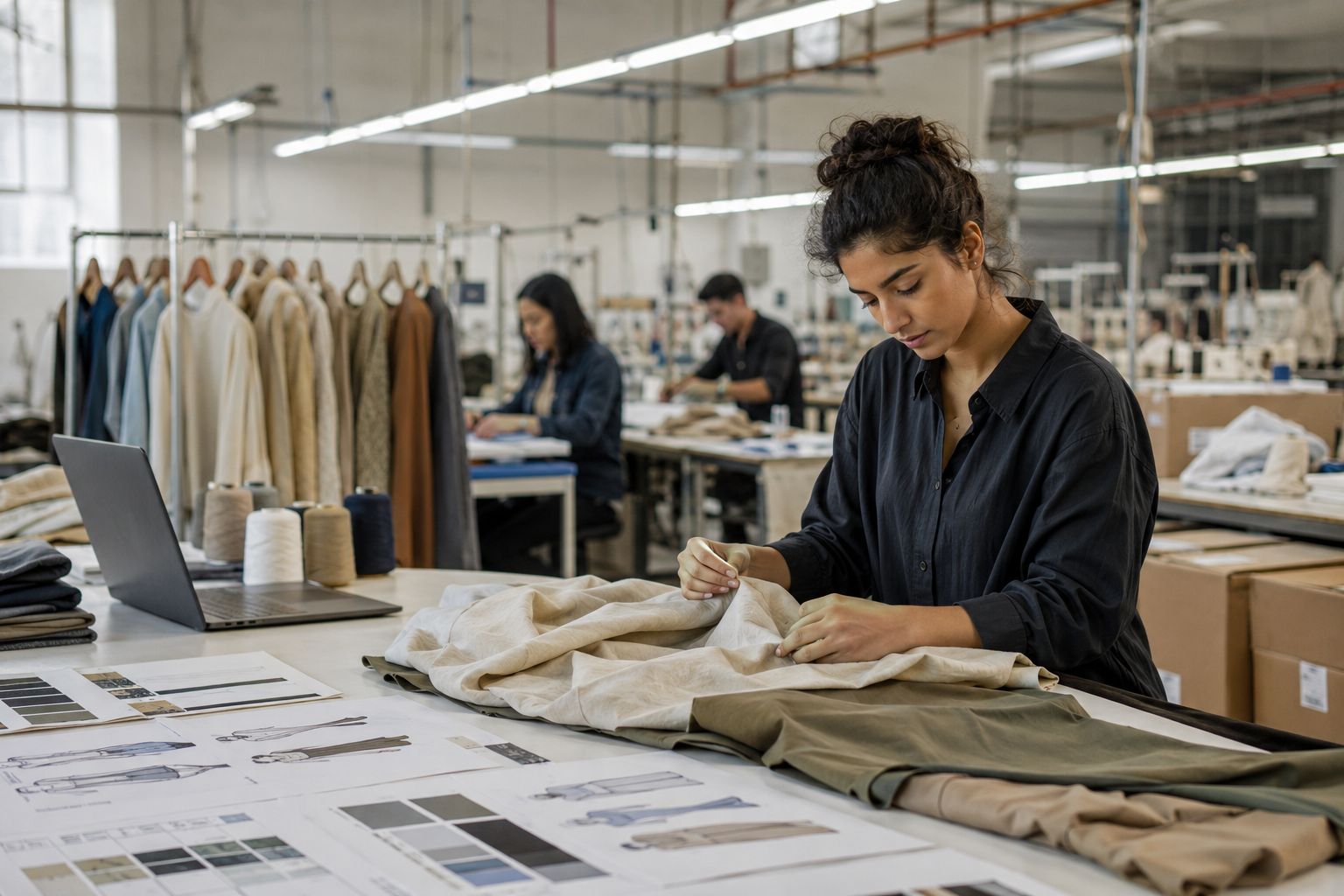
Why Traceability Matters More Than Ever in Fashion Manufacturing
Innovation Without Compromising Luxury
Innovation is reshaping textile manufacturing, but luxury buyers remain selective. They are looking for fabrics that combine innovation with exceptional aesthetics and performance, such as:
- Natural stretch constructions
- Performance wool blends
- Temperature-regulating fabrics
- Recycled luxury textiles
- Low-impact dyeing technologies
- Innovative surface finishes
The objective is not innovation for its own sake, but meaningful improvements that enhance comfort, functionality, durability, or sustainability while maintaining a premium appearance.
Manufacturers able to blend traditional craftsmanship with modern textile technology are increasingly attractive sourcing partners.
Reliable Supply and Consistency
Even the most beautiful fabric becomes commercially risky if consistency cannot be maintained. Luxury brands often build seasonal collections around signature fabrics that may need replenishment or repeat orders months later.
Buyers therefore assess:
- Production capacity
- Lead times
- Minimum order quantities
- Colour consistency
- Repeatability across batches
- Stock availability
- Delivery reliability
Dependable manufacturers who consistently meet agreed timelines become long-term strategic partners rather than simply fabric suppliers.
Collaboration and Technical Expertise
High-end sourcing is rarely a simple transaction. It is a collaborative process. Experienced buyers value manufacturers who contribute technical knowledge and creative solutions throughout product development.
This may include guidance on:
- Fabric suitability for specific garment types
- Finishing techniques
- Performance characteristics
- Cost optimisation
- Sampling options
- Custom developments
- Sustainable alternatives
Suppliers who understand fashion design , garment construction, and production challenges help brands make more informed sourcing decisions while reducing costly development mistakes.

From Concept to Collection: The Modern Fashion Development Process
Commercial Value Beyond Price
Luxury sourcing is not about finding the cheapest fabric. It is about identifying the best long-term value.
Professional buyers evaluate the complete commercial picture, including quality, durability, sustainability credentials, production reliability, innovation, and supplier support.
A fabric with a higher initial cost may deliver significantly greater value through improved garment performance, reduced returns, stronger brand positioning, and increased customer satisfaction.
This strategic approach enables brands to protect both product quality and profitability.
Building Stronger Luxury Supply Chains
As consumer expectations continue to rise, buyers are seeking manufacturing partners capable of delivering more than premium textiles alone. They need expertise, transparency, innovation, and reliability to support increasingly sophisticated collections.
For manufacturers, demonstrating exceptional craftsmanship alongside robust quality control, sustainable practices, and collaborative product development is now essential for securing long-term partnerships.
Events like Fashion SVP provide an invaluable opportunity for buyers to meet carefully selected fabric mills and manufacturers, compare capabilities firsthand, and build relationships that extend well beyond a single season.
In an increasingly competitive market, these connections help brands source fabrics that not only meet today's luxury standards but also support future growth and innovation.