How Fashion Brands Are Using Technology to Reduce Fabric Waste
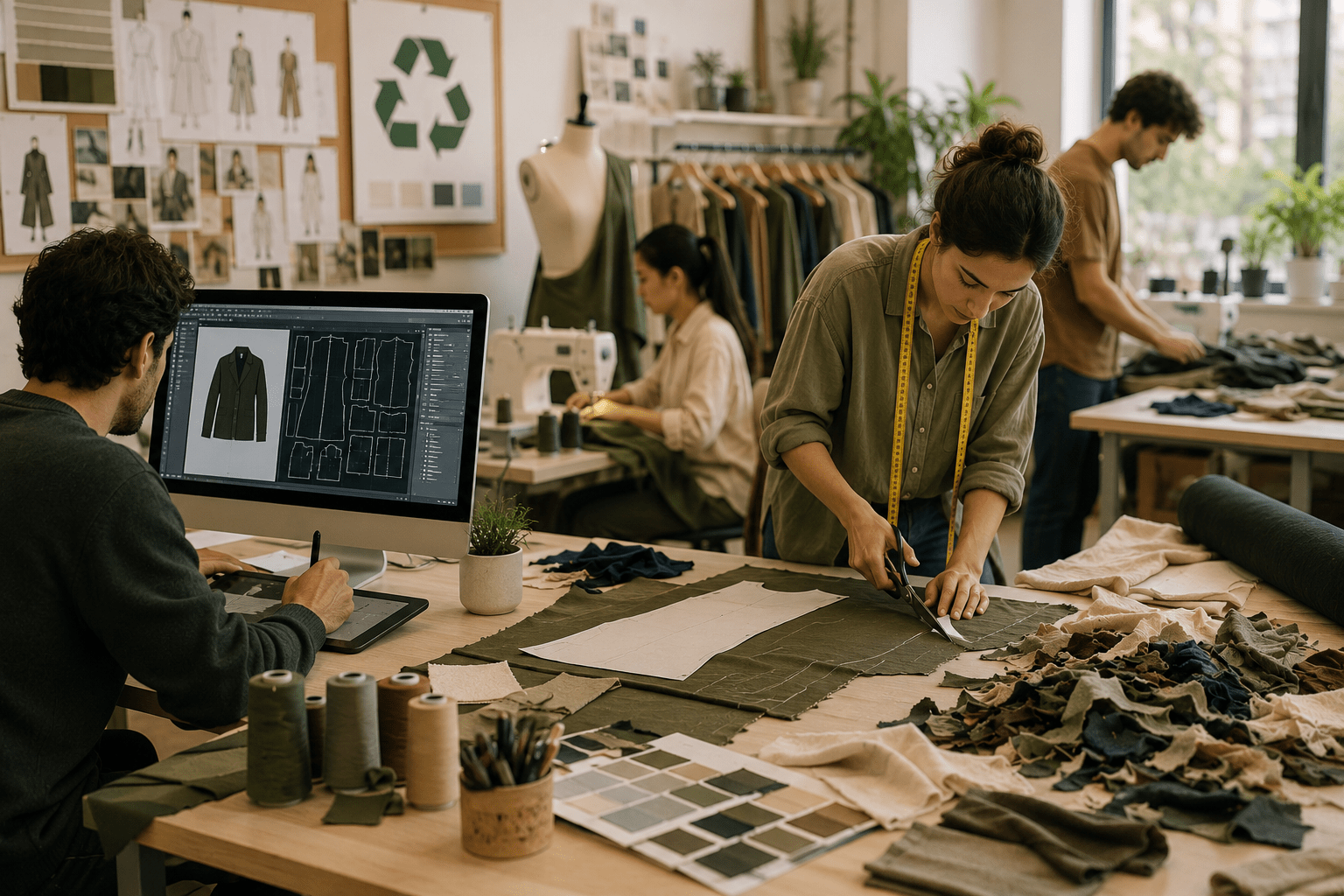
Ever wondered what happens to the fabric that doesn't make it into your favourite outfit? A lot more gets cut, trimmed and thrown away than most people realise. For years, that was just considered the cost of making clothes.
That's changing. A new wave of sustainable fashion technology is finally giving brands a way to see waste before it happens, not just clean up after it. And that shift is quietly reshaping how fashion gets made.
Fabric waste reduction in fashion isn't just about being more careful. It's about using smarter tools to catch waste before the fabric is even cut.
The future of fashion isn't just about making more. It's about making smarter, with a lot less left on the cutting room floor.
The Problem Nobody Likes to Talk About
Fabric cutting waste happens at almost every stage of production and most of it is avoidable.
Some of the biggest culprits behind garment cutting waste:
- Inefficient cutting patterns that leave scraps behind.
- Overproduction based on rough demand guesses.
- Fabric defects caught too late in the process.
- Samples and prototypes that never get used.
For years, brands simply accepted textile production waste as the cost of doing business. Technology is now making that acceptance a lot harder to justify.
Smarter Cutting, Less Left Behind
One of the simplest wins is also one of the most effective: cutting fabric more efficiently.
AI-powered pattern cutting can now arrange pieces on fabric far more precisely than manual layouts ever could, squeezing more garments out of the same length of cloth. Some brands are seeing apparel manufacturing waste drop noticeably just from this one change.
Digital Samples Instead of Physical Ones
Sampling used to mean cutting real fabric, again and again, until a design was approved.
Now, 3D garment design and digital sampling in fashion let designers see how a piece will look and fit before a single scrap of physical fabric is touched.
That means:
- Fewer physical samples made and discarded.
- Faster approval on designs.
- Less fabric spent on prototypes that never sell.
This kind of 3D fashion design technology is quickly becoming standard, not a nice-to-have.
Forecasting That Actually Matches Demand
A huge amount of fabric waste doesn't come from cutting mistakes. It comes from making too much in the first place.
AI demand forecasting in fashion is helping brands predict what will actually sell, using real data instead of rough estimates. It's one of the clearest examples of AI in the fashion supply chain making a real difference.
That means:
- Less overproduction sitting unsold.
- Fewer fabric orders that go to waste.
- Production numbers that match real demand, not guesswork.
Catching Fabric Defects Before They Become Waste
A flawed piece of fabric that slips through unnoticed often ends up as waste further down the line, after time and labour have already been spent on it.
Automated fabric inspection can now catch defects like weave irregularities or colour inconsistencies early in production, before the fabric moves any further. This is AI in the fashion industry working quietly in the background, catching problems before they become expensive.
Giving Leftover Fabric a Second Life
Even with smarter processes, some fabric waste is unavoidable. What's changing is what happens to it next.
Fabric scraps recycling is making it easier to:
- Sort and recycle scraps by fibre type.
- Turn leftover fabric into new yarns or materials.
- Track offcuts so they can be reused instead of discarded.
Waste that used to go straight to landfill is increasingly being brought back into a more sustainable fashion supply chain.
So, What Does This Mean for Brands?
Better fashion waste management doesn't just mean improved sustainability numbers. It means real savings, on fabric costs, on production time, and on the resources spent making garments nobody ends up buying.
Brands adopting these tools are finding that reducing fabric waste and improving efficiency often go hand in hand.
Tools Are Only as Good as the Hands Using Them
Digital fashion technology can reduce waste, but it still relies on working with manufacturers who take it seriously. Not every supplier invests in smarter cutting, sampling, or forecasting tools, and that's often the real difference between a wasteful production run and an efficient one.
At Fashion SVP, buyers get direct access to manufacturers who are already adopting these practices, so reducing fabric waste isn't left to chance.
Because the future of fashion isn't just about making more.
It's about making smarter, with a lot less left on the cutting room floor.