Eco-Friendly Dyeing Techniques Changing the Textile Industry
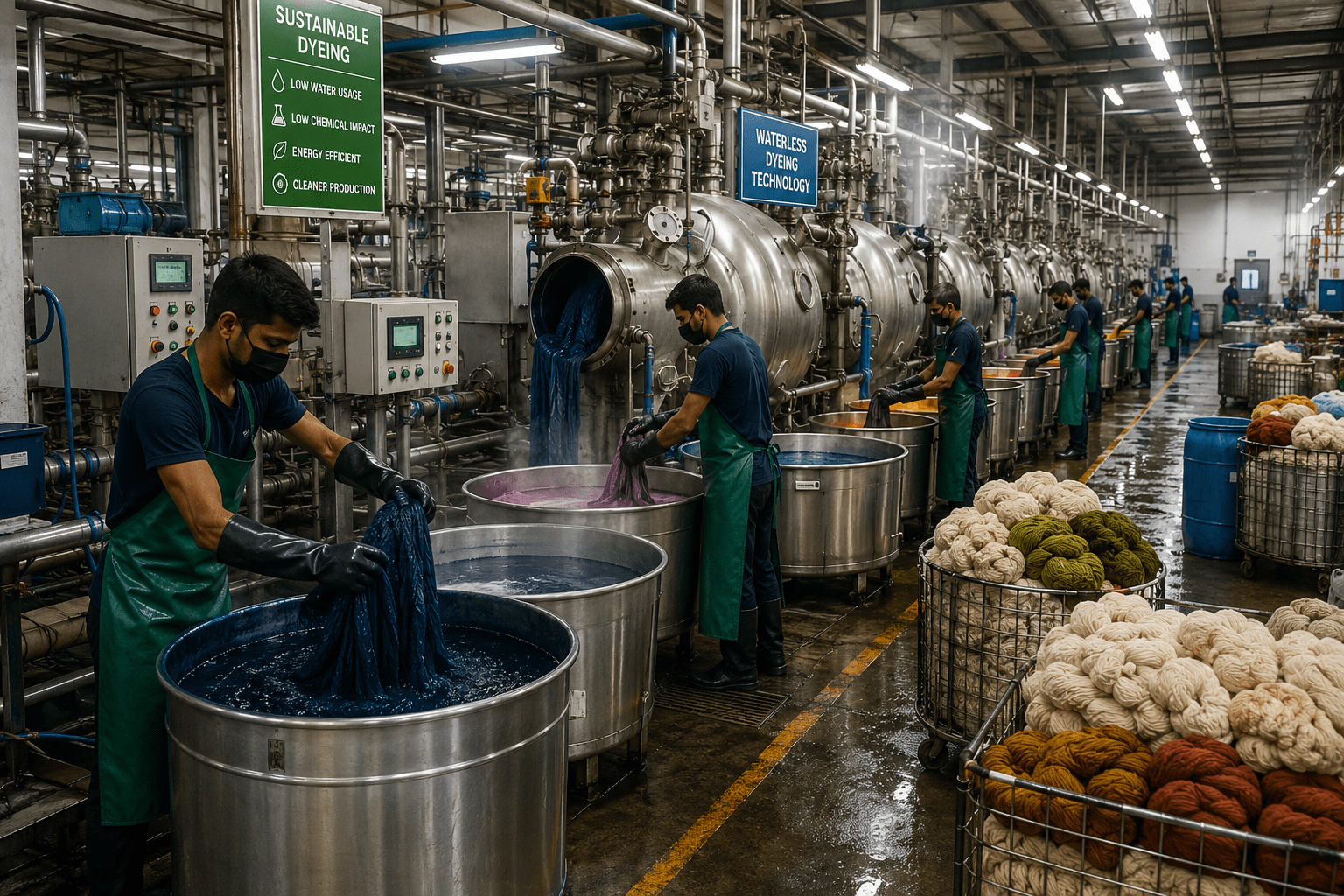
Ever wondered what actually goes into giving your clothes their colour? Dyeing is one of the most resource-heavy steps in making a garment and for years, it's also been one of the most polluting.
That's finally starting to change. A new wave of eco-friendly dyeing techniques is reshaping how fabric gets its colour, using far less water, fewer harsh chemicals, and smarter technology. It's one of the clearest signs of textile industry sustainability in action.
Eco-friendly dyeing isn't just a trend. It's a rethink of one of fashion's most wasteful processes.
Eco-friendly dyeing techniques reduce water consumption, replace harmful chemicals with safer alternatives and help fashion brands build a more sustainable textile industry without compromising quality.
Why Traditional Textile Dyeing Needs to Change
Traditional Dyeing Techniques have stayed largely the same for decades and that's exactly the problem.
High Water Consumption
- Dyeing a single kilogram of fabric can use anywhere from 100 to 150 litres of water.
- Most of that water ends up contaminated and hard to reuse.
- Regions with textile hubs often face real water stress because of this.
Chemical Pollution
- Traditional dyeing relies heavily on textile chemicals that are difficult to break down.
- Without proper wastewater treatment, these chemicals often end up in rivers and soil.
- This pollution affects both ecosystems and the communities living nearby.
Carbon Emissions from Dyeing Processes
- Heating water for dyeing consumes a significant amount of energy.
- Most of that energy still comes from non-renewable sources.
- This makes dyeing one of the largest carbon contributors in textile production.
What Are Eco-Friendly Dyeing Techniques?
In simple terms, eco friendly fabric dyeing means colouring fabric while using less water, safer chemicals and less energy, without compromising on the final look or quality.
These sustainable dyeing methods focus on:
- Reducing or eliminating water use.
- Replacing harmful chemicals with safer, natural alternatives.
- Cutting down energy consumption during the dyeing process.
- Making it easier to treat and reuse wastewater.
The Most Innovative Sustainable Dyeing Techniques Transforming Fashion
This is where textile dyeing technology is genuinely changing what's possible.
Waterless Dyeing Technology
- Uses pressurised carbon dioxide instead of water to apply colour.
- Cuts water use in the dyeing process almost entirely.
- Also reduces the need for drying and saving energy.
Natural Dyeing
- Uses plant based dyes made from roots, flowers, bark and other natural sources.
- Produces biodegradable dyes that break down safely.
- Often paired with traditional techniques for a more sustainable finish.
Digital Textile Printing
- Applies colour directly onto fabric using precise, controlled technology.
- Uses significantly less water and dye compared to traditional methods.
- Reduces fabric waste since designs can be adjusted digitally before production.
Air Dyeing Technology
- Colours fabric using air pressure instead of water baths.
- Uses close to zero water in the process.
- Also cuts down on the chemicals typically needed for traditional dyeing.
Dope Dyeing
- Adds colour to fibres before they're even spun into yarn.
- Uses far less water than dyeing finished fabric.
- Produces more consistent, long-lasting colour.
Bio-Based and Recycled Dyes
- Made from food waste, algae, or other renewable sources.
- Supports circular fashion by turning waste into a usable resource.
- Reduces reliance on synthetic, petroleum-based dyes.