The Return of Raw Denim: Why Consumers Want Authenticity Again
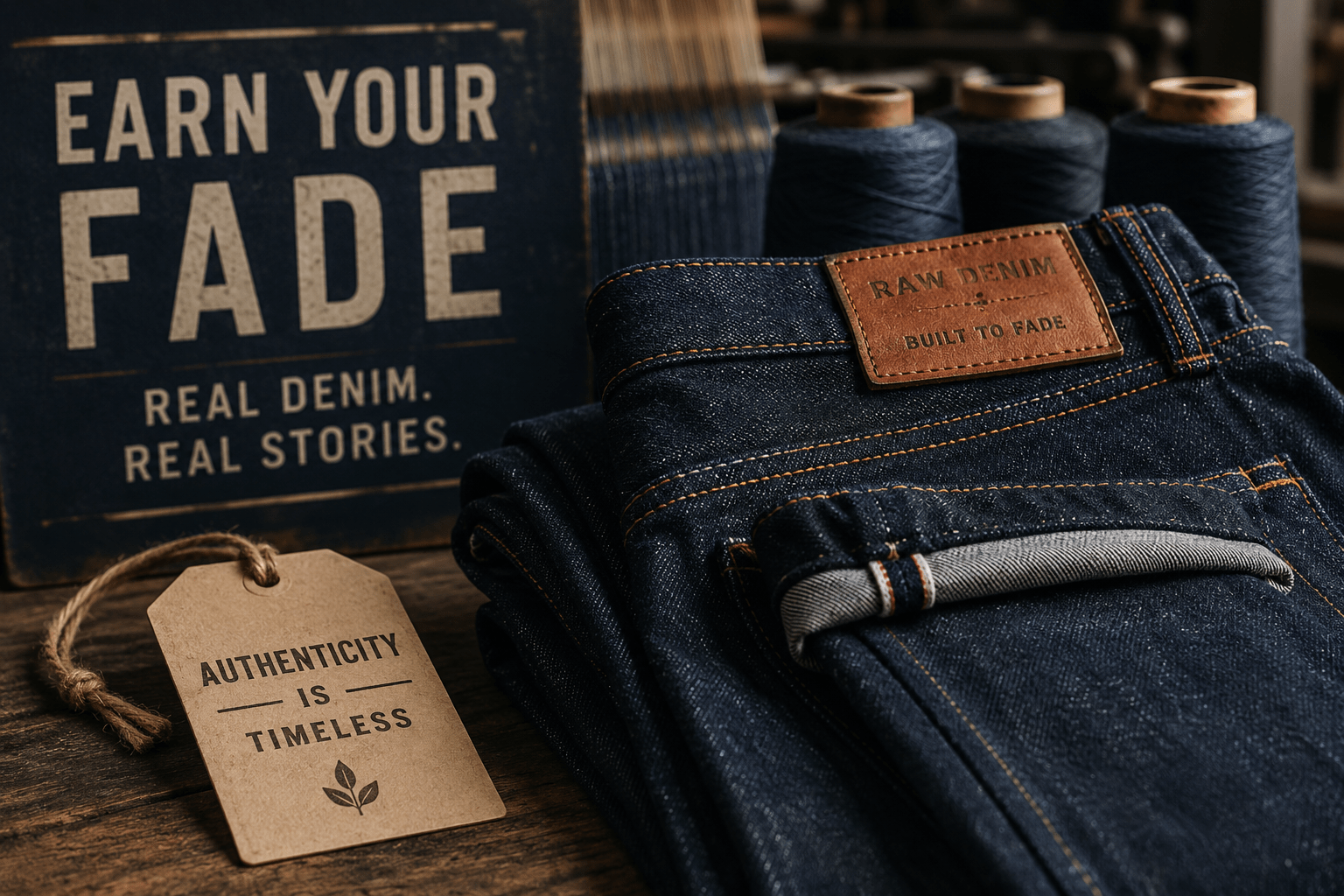
Somewhere in the last couple of years, a very specific pair of stiff, dark, slightly uncomfortable jeans started showing up everywhere again. Not the soft, pre-faded, already-broken-in kind that dominated racks for a decade. The stiff kind. The kind that creaks a bit when you first put them on and takes actual months of wear to look like anything. That's raw denim, and its comeback isn't really about denim at all, not deep down. It's about what people are tired of. Perfectly distressed jeans, machine-faded whiskers stamped onto fabric before anyone's even worn it, the whole factory-manufactured illusion of a story that never actually happened. Consumers noticed. And a lot of them decided they'd rather earn the fade themselves. Here's what's actually driving this shift, what raw denim even means technically, and why it matters for brands thinking about where denim is heading next.
Raw denim's comeback isn't nostalgia for its own sake, it's consumers pushing back against manufactured perfection and asking for something that has to be genuinely earned.
Raw denim's revival reflects a wider consumer shift away from manufactured perfection and towards clothing with a story that develops through genuine wear.
What Is Raw Denim?
Raw denim is denim that hasn't been washed, treated, or artificially aged after it's woven and dyed. It comes straight off the loom, still stiff with the starch used during weaving, still holding that deep, almost stiff indigo colour that hasn't been softened or faded by any processing at all.
Most raw denim is fairly heavy, often somewhere in the 12 to 16 ounce range, and it arrives dark, rigid, and honestly a little uncomfortable for the first few wears. That discomfort is sort of the point. Every crease, every fade, every lighter patch that eventually shows up on the fabric only gets there because of how you actually move, sit, and live in the jeans. Nobody's doing that for you in a factory beforehand.
Raw Denim vs Washed Denim
Washed denim goes through some kind of treatment after weaving, stone washing, enzyme washing, or a chemical process designed to soften the fabric and fade the colour before it ever reaches a customer. It's more comfortable straight out of the packet, and the fades are already built in.
Raw denim skips all of that entirely. You're buying fabric in its rawest possible state, hence the name, and any softening or fading has to happen through actual wear over time. It's less convenient upfront but a lot of denim fans would argue it's more honest, what you see is quite literally what you get, nothing manufactured in advance.
Raw Denim vs Selvedge Denim
People mix these two up constantly, and it's worth clearing up. Raw refers to whether the fabric has been washed or treated. Selvedge refers to how the fabric edge is finished, a clean, self-bound edge that comes from being woven on older, narrower shuttle looms rather than modern high-speed ones.
A pair of jeans can technically be raw without being selvedge, and selvedge without being raw, though in practice the two overlap constantly, especially with Japanese raw denim, which tends to be both selvedge woven and left completely untreated.
Understanding raw denim vs selvedge denim properly just comes down to remembering they're describing two entirely different things about the same piece of fabric.
Why Is Raw Denim Making a Comeback?
The numbers back up what's obvious just walking past a denim rail lately. Raw denim has reportedly claimed significantly more shelf space at premium retailers over the past year, and trend forecasters have flagged unwashed, untreated denim as one of the defining fabric stories of 2026, with visibility on the runway roughly tripling compared to the year before. Casablanca, Givenchy, Dior, they've all leaned into it for recent collections.
Part of this is simple trend cycling, fashion swings back toward heritage aesthetics after a stretch of loud, logo-driven pieces. But there's something a bit deeper going on too. People got tired of buying things that were designed to look old before they'd even been worn once.
Raw denim flips that completely, nothing about it pretends to be anything other than brand new, and that honesty seems to genuinely resonate right now.
Why Consumers Are Choosing Authenticity Over Perfect Finishes
There's a specific kind of fatigue behind this. Endless factory-distressed jeans, pre-ripped knees engineered to look accidental, whiskering patterns stamped on by a machine that's never once touched a body, it all started to feel a bit hollow.
Consumers, especially younger ones who grew up surrounded by curated, filtered everything, seem to be craving things that are actually real, even if real means slower, stiffer, less immediately comfortable. Raw denim delivers exactly that.
The fades you eventually get are yours, shaped by how you sit at your desk, how you carry your phone, how many times you've climbed the same set of stairs. Nobody else's pair looks quite the same.
In a market saturated with things designed to look identical off the shelf, that individuality is doing a lot of the emotional heavy lifting behind the whole revival.
Raw Denim and the New Premium Consumer
The premium consumer has changed alongside this shift. It's less about a recognisable logo and more about knowing, specifically, what you're buying, the weight of the fabric, whether it's shuttle-loomed, where the cotton actually came from.
Raw denim rewards exactly that kind of knowledge, which is part of why it's found such a devoted following among people who take real pride in understanding their clothes rather than just wearing them.
There's also a patience element that fits neatly into the broader quiet luxury mindset dominating fashion right now. Buying raw denim means accepting that the best version of the product doesn't exist yet, it only shows up after months, sometimes years, of genuine wear.
That's a very different relationship with clothing than grabbing something pre-faded off a shelf, and premium consumer denim trends increasingly favour exactly that kind of delayed, earned gratification over instant polish.
Is Raw Denim Part of the Sustainable Fashion Movement?
In some genuine ways, yes. Skipping the washing and finishing stages that most denim goes through cuts down on water use and chemical processing right from the start.
And because raw denim is built to be worn constantly, often washed far less frequently than regular jeans to preserve the fade, it tends to last considerably longer than a lot of fast fashion denim ever does.
That said, the honest answer is a bit more nuanced. Denim culture itself is shifting on this, longtime raw denim enthusiasts have generally always bought less but better, and washed their jeans sparingly, partly for sustainability and partly just to protect the fade.
But sourcing still matters enormously. Organic or responsibly grown cotton, transparent mills, fair labour practices, these determine whether a given pair of raw denim jeans is actually sustainable denim or just untreated denim wearing a sustainability story it hasn't quite earned yet.
What the Raw Denim Revival Means for Fashion Brands?
For brands, this is a real opportunity, but it comes with real expectations attached. Customers drawn to raw denim tend to know their stuff, they'll ask about fabric weight, loom type, cotton origin, and they'll notice pretty quickly if a brand is using "raw" as a marketing word rather than an actual production choice.
That means denim sourcing needs to genuinely back up the story being told. Partnering with mills that can supply real shuttle-loomed or heavyweight raw fabric, being transparent about origin and process, and resisting the urge to fake authenticity with synthetic distressing dressed up as heritage craftsmanship.
Brands willing to do this properly are finding a genuinely loyal, vocal customer base on the other side of it, the kind that talks about their jeans on forums and social media the way other people talk about watches or trainers.
The Future of Raw Denim: From Trend to Long-Term Consumer Mindset
Where this seems to be heading is past being a trend at all, and more into something closer to a permanent shift in how a segment of consumers think about clothing generally.
The appetite isn't just for raw denim specifically, it's for products that are honest about what they are, that improve with time instead of degrading, that reward patience rather than punishing it.
Denim mills are already responding, developing raw fabrics that combine that classic aesthetic with better comfort and durability, rather than treating raw as purely a heritage throwback.
As more shoppers extend this same "buy less, buy better, let it age properly" thinking to other categories, footwear, leather, outerwear, raw denim looks less like a passing 2026 moment and more like the opening chapter of a much bigger shift in how people want to relate to their clothes.