Inside the Business of Fashion: How Brands Are Built in 2026
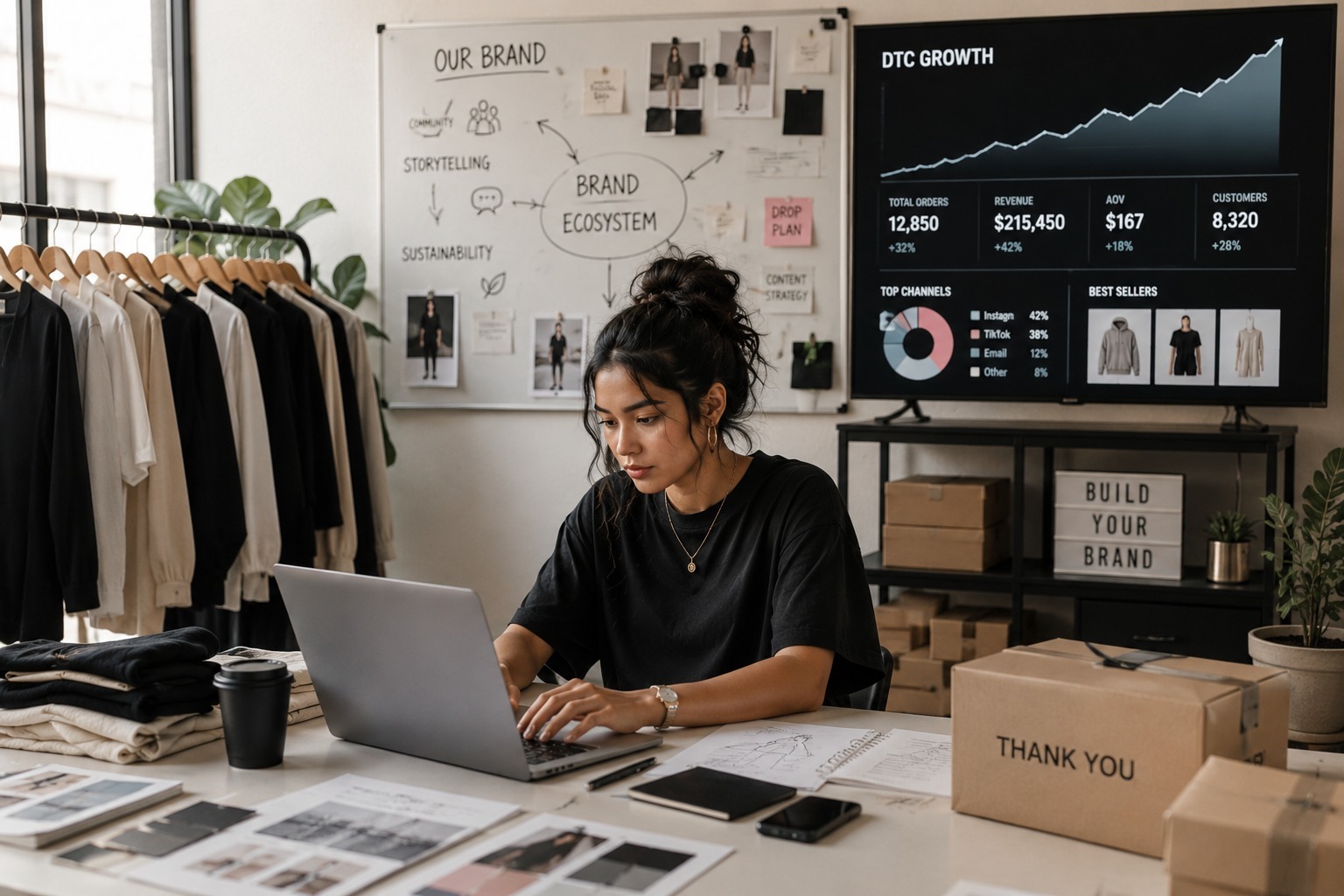
The fashion industry in 2026 looks nothing like it did a decade ago. Gone are the days when launching a label required massive capital, retail partnerships, and traditional gatekeepers.
Today, the fashion business is being redefined by digital-first strategies, community-led growth, and agile supply chains. If you’ve been wondering how to start a fashion brand in today’s landscape, the answer lies in understanding three powerful shifts: DTC dominance, influencer-led branding, and next-gen production models.
In 2026, successful fashion brands are built through direct customer relationships, authentic storytelling, and agile production systems.
The Rise of DTC Fashion Brands
One of the most significant transformations in the fashion business is the explosion of DTC fashion brands (Direct-to-Consumer). Instead of relying on wholesalers or department stores, brands now sell directly through their own websites and social platforms.
This approach not only improves profit margins but also gives brands full control over their identity, pricing, and customer experience.
- Higher profit margins through direct sales
- Greater control over branding and customer experience
- Direct access to consumer data and insights
Platforms like Shopify and Instagram have become the backbone of modern fashion entrepreneurship. With built-in tools for marketing, analytics, and sales, even small startups can scale rapidly.
In 2026, success isn’t about being everywhere, it’s about owning your audience and building a loyal community.
Discover the Future of Fashion Sourcing: Inside Day 2 of Fashion SVP Edition 19
Social Media Is the New Runway
In today’s landscape, social media isn’t just a marketing tool, it is the brand. Platforms like TikTok have transformed how trends are created and consumed.
A single viral video can sell out an entire collection overnight. Influencer-led labels are dominating the market because they come with something traditional brands often lack: authenticity.
- Viral content can drive instant sales
- Influencers build stronger consumer trust
- Storytelling creates emotional brand connections
Founders are no longer faceless corporations, they’re creators, storytellers, and personalities. Consumers are buying into a lifestyle, not just a product.
For anyone exploring how to start a fashion brand, this means one thing: content is just as important as the clothing itself.
Strong visual storytelling, behind-the-scenes content, and transparent communication are no longer optional, they’re essential.
Smarter, Faster Supply Chains
Behind every successful brand is a supply chain that can keep up. In 2026, agility is everything.
The traditional model of bulk production and seasonal drops is being replaced by small-batch manufacturing, on-demand production, and nearshoring.
- Reduce overproduction and waste
- Respond quickly to emerging trends
- Test products before scaling production
Countries like India, Vietnam, and Turkey are emerging as key players in this evolution, offering a balance of craftsmanship, cost-efficiency, and improved sustainability practices.
For modern entrepreneurs, understanding sourcing is just as important as design.
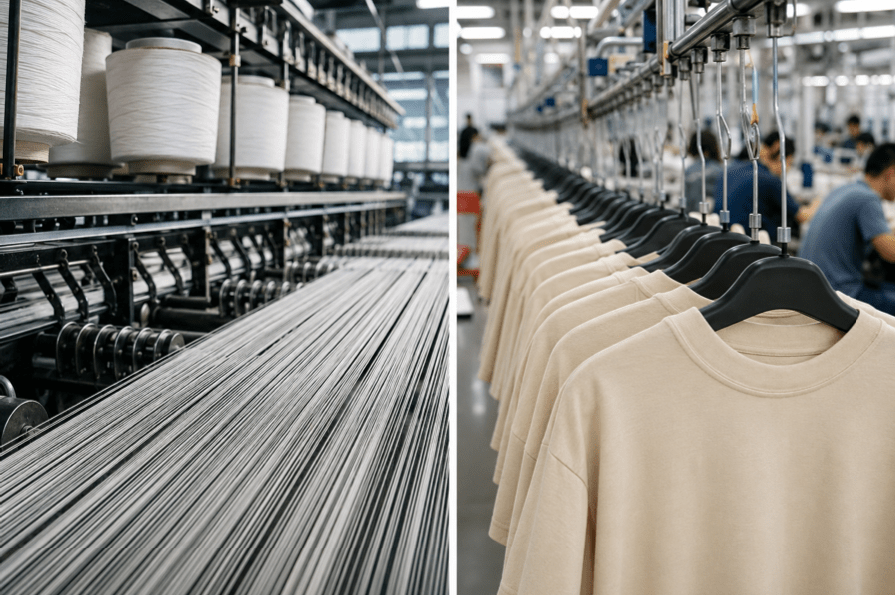
Behind the Scenes of a Fashion Supply Chain: From Fibre to Finished Garment
Building a Brand, Not Just a Product
Perhaps the biggest change in the fashion business is the shift from product-first to brand-first thinking.
In 2026, the most successful labels aren’t just selling clothes, they’re building ecosystems. From curated drops to exclusive communities and immersive digital experiences, brands are creating deeper connections with their audiences.
- Create exclusive brand communities
- Deliver immersive digital experiences
- Build long-term customer loyalty
Transparency, purpose, and storytelling are now major differentiators. Consumers want to know who made their clothes, how they were made, and why the brand exists.

The Future of Fashion Sourcing Took Centre Stage in London
The Future of Fashion Entrepreneurship
The blueprint for DTC fashion brands in 2026 is clear: start with a strong identity, build a digital-first presence, and invest in a flexible supply chain.
Whether you’re an aspiring entrepreneur or an industry insider, the rules of the fashion business have changed, and they’re more accessible than ever.
If you’re thinking about how to start a fashion brand, there’s never been a better time. The barriers are lower, the tools are smarter, and the opportunities are endless.