The New Era of Premium Basics: Elevated Essentials in Modern Fashion
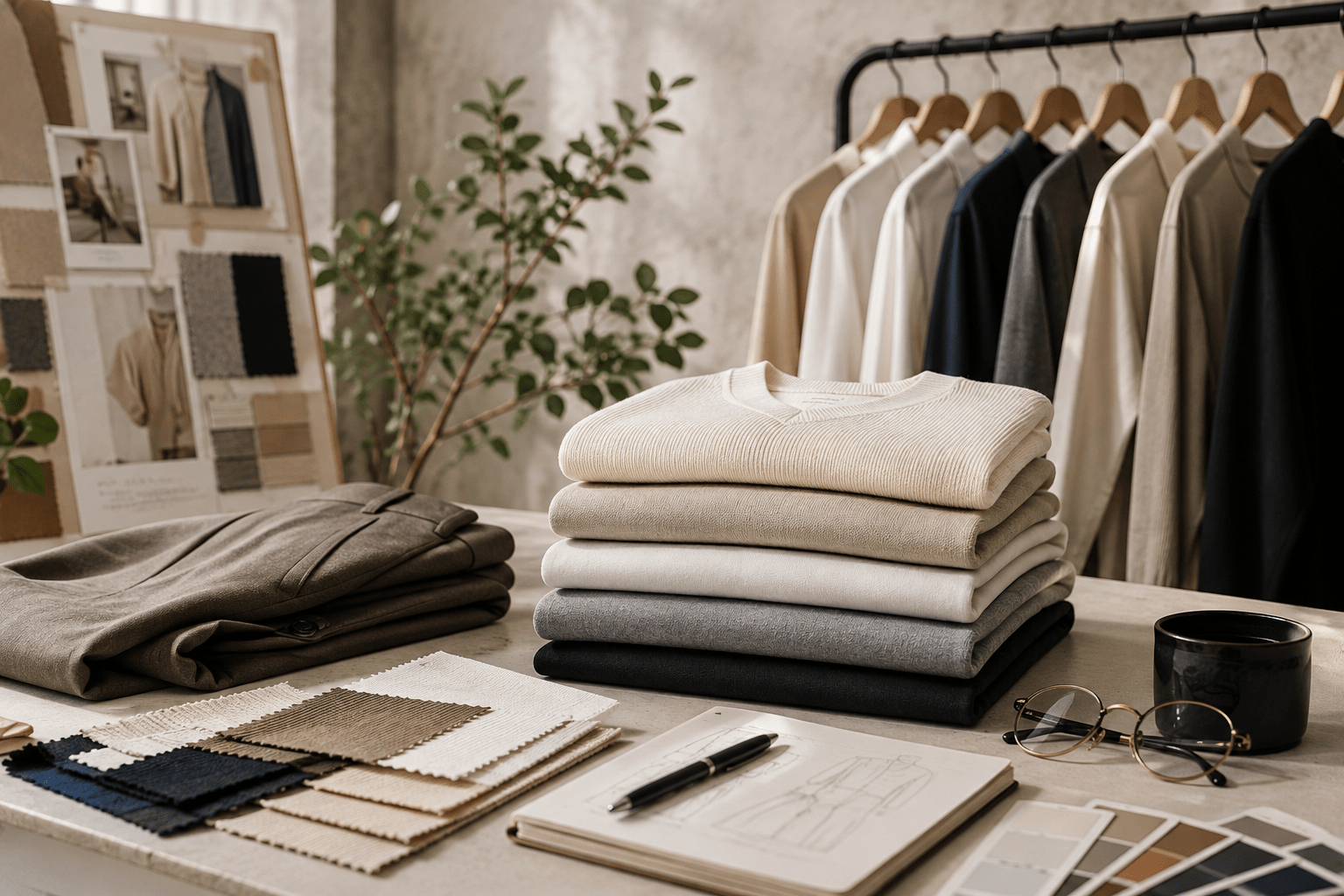
There's a particular kind of t-shirt that costs three or four times what a regular one does, and somehow doesn't feel like it's ripping you off. It fits differently. The cotton has weight to it. It still looks new after twenty washes instead of going baggy and grey by wash six. That's the whole story of premium basics right now, ordinary garments quietly getting extraordinary attention.
For a long time, "basics" meant cheap and forgettable, the stuff you bought in packs of five and didn't think twice about replacing. That's flipped. Some of the most interesting product development happening in fashion right now isn't in show-stopping runway pieces, it's in the plain white tee, the crewneck sweater, the well-cut trouser. Elevated essentials have become genuinely serious business, and the brands paying attention to them are seeing it show up directly in loyalty and repeat purchases.
Here's what's actually driving this shift, what separates a genuinely premium basic from an overpriced one, and what it means for anyone sourcing or manufacturing in this space right now.
Premium basics have quietly become one of the most commercially important categories in fashion, built on fabric quality, construction and the simple promise that a garment will still be worth wearing next year.
Why Premium Basics Are Becoming a Bigger Fashion Opportunity
The spending data backs this up in a pretty striking way. Premium and mid-tier shoppers are now buying noticeably fewer pieces a year than budget shoppers do, somewhere in the range of 30 to 40% fewer items, but spending two to three times more per piece. Meanwhile budget shoppers buy the most units overall and report lower satisfaction with fit, durability and fabric quality, which usually just means they're replacing things faster and spending more over time anyway.
That's the opportunity, in a nutshell. Customers aren't necessarily buying less because they've lost interest in clothes, they're buying more deliberately, and they're willing to pay properly for something that actually lasts. For fashion buyers and brands, that's a real opening to build a core, dependable essentials range rather than chasing constant turnover on cheap, disposable pieces.
What Is Driving the Shift Towards Elevated Essentials?
A few things are converging at once here. Fast fashion fatigue is real, people have gone through enough thin, pilling, quickly-discarded garments to start actively distrusting anything that feels flimsy. At the same time, the broader "quiet luxury" mood in fashion, less logo, more fabric and cut, has trained a lot of shoppers to actually notice quality now instead of just brand names.
There's also a values shift sitting underneath all of it. Responsible sourcing and transparency have moved from a nice mention on a hangtag to something customers genuinely factor into a purchase decision. Add hybrid work and more flexible everyday dressing into the mix, people want fewer pieces that genuinely work across more situations, and you get a customer actively pulling the market toward premium basics fashion rather than brands inventing the demand out of nowhere.
What Makes a Basic Garment Feel Premium?
This is where a lot of brands get it wrong, assuming a higher price tag alone signals quality. It doesn't. What actually makes a basic feel premium comes down to two things working together.
Fabric Quality and Material Choice
Everything starts with the fabric. Long-staple cotton, proper wool blends, cotton-modal mixes, these hold their shape and softness over years rather than degrading after a handful of washes. It's genuinely tactile too, quality is something you feel the second you touch the fabric, before you've even checked the price tag or the label. That's exactly why fabric quality and material selection sit right at the centre of any serious premium basics strategy, cut corners here and no amount of clever marketing fixes it later.
Fit, Construction and Finishing
Fabric alone isn't enough though. Garment construction, reinforced seams, proper stitch density, a hem that won't unravel after three washes, is what actually determines whether a piece survives daily wear. Finishing matters just as much, clean, considered detailing rather than anything that looks rushed or thrown together. A perfectly fitted basic, cut with real attention to proportion, can honestly look and feel more expensive than a flashier piece that's been poorly constructed. Fit is doing more work in this category than people give it credit for.
The New Role of Fabric in Premium Basics
Fabric innovation has quietly become one of the more exciting parts of this whole category. Brands are increasingly experimenting with technical finishes borrowed from performance wear, wrinkle resistance, breathability, moisture management, and folding them into what still looks like a completely ordinary t-shirt or trouser.
That crossover matters because today's customer genuinely wants comfort and function baked into their everyday clothing, not just their gym kit. A dense knit or a woven cotton poplin that holds its shape, a linen blend that wrinkles gracefully instead of just creasing into a mess, these small material decisions are exactly what separates a garment people reach for constantly from one that quietly ends up at the back of the wardrobe.
Beyond Quiet Luxury: How Premium Basics Are Becoming More Functional
Quiet luxury got this conversation started, but the category has genuinely moved past being just an aesthetic choice. Increasingly, premium basics are expected to actually perform, travel-friendly fabrics that resist wrinkling, breathable knits suited to hybrid work days, versatile pieces built to move between a dozen different contexts without looking out of place in any of them.
This functional layer is what's pushing elevated essentials trend forward into something more substantial than a passing style moment. It's not just about looking expensive anymore, it's about a garment earning its place in someone's daily rotation because it genuinely works harder than a basic ever used to be expected to.
How Fashion Brands Are Rethinking Their Core Collections
A lot of brands are quietly restructuring how they plan collections altogether. Instead of treating basics as filler between the "real" seasonal pieces, core collections are increasingly getting the same design attention, fabric investment and marketing focus as anything on the runway.
Building Products That Stay Relevant Beyond One Season
The real shift here is around designing for longevity rather than a single trend cycle. A well-made crewneck or a properly cut trouser doesn't need to be reinvented every season, it just needs to keep being made well, consistently, so customers can trust it'll perform the same way this year as it did last year. That consistency is exactly what builds the kind of repeat purchasing that seasonal, trend-driven pieces struggle to earn on their own.
What Premium Basics Mean for Fashion Manufacturers
For clothing manufacturers, this shift raises the bar considerably. Producing a genuinely premium basic at scale takes real consistency, tight quality control on stitching and finishing, dependable fabric sourcing that doesn't vary noticeably between batches, and manufacturing partners who can be trusted to replicate quality across thousands of units, not just the first sample.
Premium fabric sourcing and premium garment manufacturing capability are becoming genuine differentiators for fashion manufacturers competing for this kind of business. Brands entering this space need suppliers who understand that "basic" doesn't mean "simple to make well." If anything, it demands more precision, since there's no busy print or elaborate silhouette to distract from a construction flaw.
Where the Premium Basics Market Is Heading
The direction looks fairly clear from here. Expect continued blending of technical performance fabric with everyday essentials, more transparency around sourcing and material origin, and growing demand from fashion buyers for suppliers who can prove consistent quality rather than just promise it.
As consumer expectations keep climbing, quality over quantity fashion isn't likely to stay a niche mindset, it's shaping up to be the default approach for how a large and growing segment of shoppers build their wardrobes. Premium basics trend momentum looks less like a passing style and more like a genuine structural shift in how people buy clothes.
Conclusion
Premium basics have earned their place as a serious category, not because they're flashy, but because they solve a real problem: customers who are tired of buying things that fall apart and want fewer, better pieces they can actually rely on. For brands and manufacturers willing to invest properly in fabric, construction and consistency, elevated essentials offer something rare in fashion right now, genuine, repeatable, long-term customer trust.