How to Scale Your Womenswear Brand with the Right Manufacturing Partner
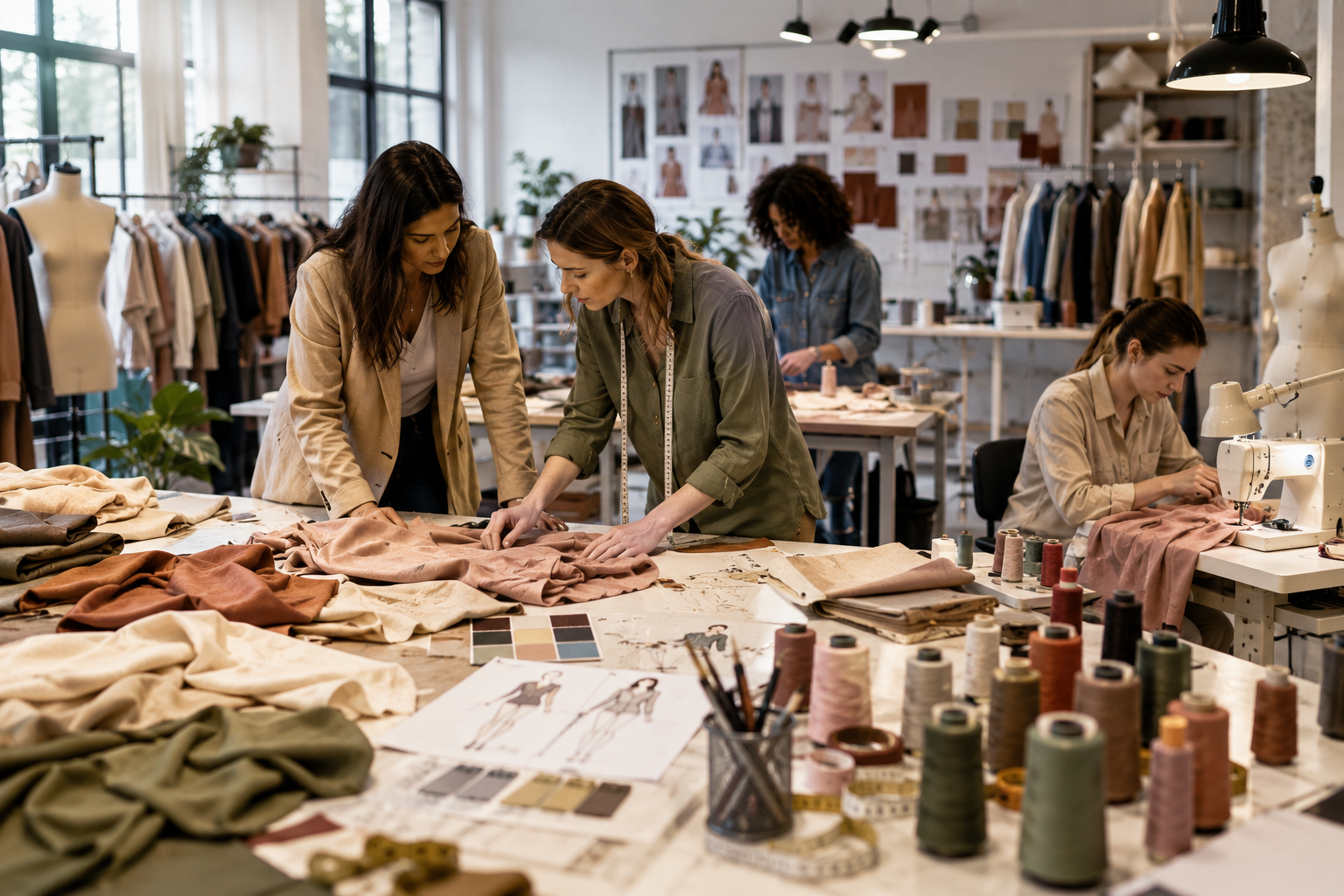
Every growing womenswear brand hits the same wall eventually. Sales are picking up, customers keep coming back, and suddenly the manufacturer who was perfect for your first small run can't keep up anymore. Orders slip. Quality gets inconsistent. And what used to feel like a partnership starts to feel like a bottleneck.
Here's the thing most people don't realise until they're in the middle of it: scaling a fashion brand isn't just about demand, it's about whether your manufacturing partner can grow with you. The right one becomes an extension of your team. The wrong one quietly caps how big you can get.
This is a practical look at what actually makes a womenswear manufacturing partner right for growth, the mistakes that trip brands up along the way, and how to find someone you can genuinely build with.
Scaling a womenswear brand isn't just about finding customers, it's about finding a manufacturing partner who can grow alongside you.
What to Look for in a Womenswear Manufacturing Partner
Not every clothing manufacturing partner is built for growth, some are brilliant at small, bespoke runs and struggle the moment volume increases. Before committing, it's worth looking closely at a few things.
Start with capacity. Can this fashion manufacturing partner realistically handle your order sizes a year from now, not just today? Ask about their production capabilities honestly, what fabrics, constructions and finishes they're actually experienced with, rather than what they're willing to try.
Quality consistency matters just as much as capacity. A womenswear clothing manufacturer who nails your first sample but can't replicate that quality across a thousand units isn't ready to scale with you.
And don't overlook communication, a fashion production partner who responds quickly, flags problems early and speaks openly about delays is worth far more than one who simply says yes to everything and then goes quiet.
How the Right Manufacturer Helps You Scale Faster
A strong manufacturing partner does more than just produce your garments, they remove friction from the entire growth process.
When a garment manufacturer for fashion brands genuinely understands your product, they can flag potential issues before they become expensive mistakes, whether that's a fabric that won't hold up at scale or a construction detail that will slow down production.
The right partner also gives you room to plan ahead with confidence. Predictable lead times, transparent pricing as volume increases, and the flexibility to adjust order sizes without starting from scratch each season, all of this lets you focus on growing the brand instead of firefighting production issues.
In many ways, a great fashion sourcing partner becomes a genuine growth lever, not just a line item in your costs.
Common Mistakes Growing Womenswear Brands Make
A lot of brands run into the same avoidable problems on the way to scaling up.
Staying too long with a manufacturer purely out of loyalty or comfort is one of the biggest. It's understandable, they helped you get started, but if they genuinely can't support your next stage of growth, delaying the switch usually costs more in missed deadlines and quality issues than making the change earlier would have.
Choosing a manufacturer based on price alone is another common trap. The cheapest quote often comes with hidden costs, longer lead times, inconsistent quality, or minimum order quantities that don't actually suit your growth stage.
And many brands underestimate how much clear, proactive communication prevents problems, assuming a manufacturer will flag issues without being asked, when in reality, the strongest partnerships are built on regular, direct conversation from both sides.
Questions to Ask Before Choosing a Manufacturing Partner
Before signing on with a new manufacturer, a few honest questions can save months of frustration later:
- What's your maximum production capacity, and how far in advance do you need orders confirmed at that volume?
- Can you show me examples of similar garments you've produced at scale, not just samples?
- What are your minimum order quantities, and how do they change as volume grows?
- How do you handle quality control across large production runs?
- What happens if there's a delay, how and when will I actually be told?
- Do you hold any relevant certifications for ethical or sustainable production?
A manufacturer who answers these clearly and specifically, rather than vaguely, is usually one worth trusting with bigger orders.
Why Fashion SVP Helps Brands Find the Right Manufacturing Partners
Finding the right fit isn't something you can fully judge from a website or a sample sent in the post. Fashion SVP brings verified manufacturers directly to buyers, giving growing womenswear brands the chance to meet potential partners face to face, see real production quality, and ask the hard questions before committing.
Whether you're looking for a clothing manufacturer UK based for faster turnaround, or a fashion sourcing partner overseas with the scale to support bigger volumes, having that range of vetted options in one place removes a huge amount of guesswork from the process, and helps brands build the kind of manufacturing relationships that actually last.