Why Deadstock Fabric Is Becoming a Luxury Fashion Essential?
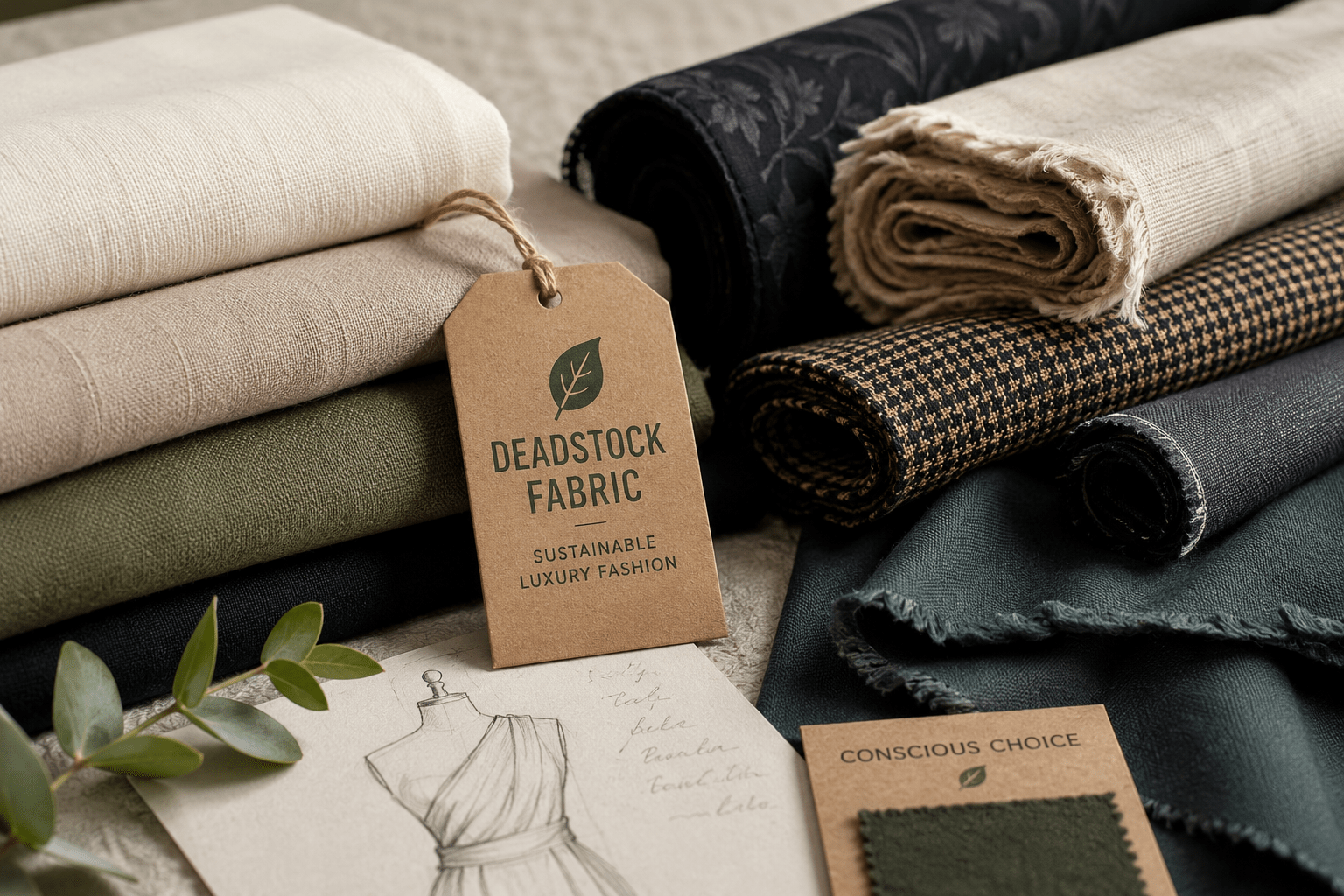
Luxury fashion has always been about newness, new collections, new prints, new fabrics arriving season after season. So it might seem strange that some of the most talked-about luxury pieces right now are made from fabric that already existed before the collection was even designed.
That's deadstock fabric and it's quickly moving from a niche, sustainability-minded choice to something closer to a status symbol. Rather than starting with a blank page and commissioning new textiles, more designers are starting with what's already sitting in a mill's warehouse and building the collection around it.
Here's what deadstock fabric actually is, why luxury brands are embracing it and why it might be one of the smartest materials a fashion label can work with right now.
Deadstock fabric turns unused, high-quality textiles into limited, sustainable luxury pieces and it's reshaping how premium fashion brands think about sourcing.
What Is Deadstock Fabric?
Deadstock fabric is unused or surplus textile that was originally produced for a fashion collection, mill or manufacturer but never got used. A brand might have overordered, cancelled a collection, changed direction mid-season, or simply had leftover rolls once production wrapped.
In a traditional system, that fabric would sit in a warehouse for years, or eventually get thrown away.
Here's the important part: deadstock material isn't damaged or defective. A lot of it was originally developed for luxury fashion houses or large manufacturers, which means the quality is often exceptional. It just never made it into a finished garment.
So when people ask what deadstock fabric is, in simple terms, the answer is this: it's premium material that already exists, just waiting for someone to give it a second life.
Why Luxury Fashion Brands Are Turning to Deadstock Fabric?
Luxury deadstock fabric isn't just a sustainability box to tick anymore, it's becoming a genuine selling point. Here's why high-end brands are increasingly building collections around it.
Sustainability Is Now a Luxury Standard
Luxury customers today expect more than beautiful design, they expect responsibility behind it. Working with deadstock material lets brands reduce their reliance on new textile production, which cuts down on the water, energy and raw materials that go into making fabric from scratch.
For a lot of luxury houses, sustainable deadstock fabric has become as important to the brand story as the stitching itself.
Limited Quantities Create Exclusivity
Because deadstock fabric only exists in fixed amounts, once it's gone, it's gone. A dress made from a particular deadstock roll usually can't be reordered in the exact same fabric again.
That naturally creates small-batch, limited-run pieces, which fits perfectly with what luxury shoppers actually want: something that isn't sitting in a thousand other wardrobes.
Premium Quality Without New Production
There's a common assumption that sustainable choices mean compromising on quality. Deadstock fabric flips that idea.
A lot of this material comes from premium mills or designer overproduction, so the drape, texture and construction quality can be just as good, sometimes better, than what's commonly available through standard sourcing channels.
Lower Carbon Footprint
Every metre of new fabric carries a hidden environmental cost before it even reaches a factory. By using material that's already been produced, brands skip that entire footprint.
It's one of the more straightforward ways a luxury label can lower its impact without changing its designs or standards.
Deadstock Fabric vs Recycled Fabric
These two terms get mixed up a lot, but they're not the same thing.
Deadstock fabric is unused, brand-new material that simply never got turned into a garment. It hasn't been broken down or reprocessed in any way; it's leftover, not recycled.
Recycled fabric, on the other hand, is made by breaking down existing textiles, old garments, fabric scraps, or plastic bottles in some cases, and reprocessing those fibres into new yarn or cloth.
Both fall under sustainable fashion materials, but deadstock skips the reprocessing step entirely. That's part of why deadstock fabric often has that untouched, premium hand-feel that recycled fabric doesn't always match.
Benefits of Using Deadstock Fabric
Beyond sustainability, there are some very practical upsides to sourcing deadstock:
- Access to premium, sometimes designer-grade textiles at a lower cost than commissioning new fabric.
- Naturally limited runs that support exclusivity and smaller, more considered collections.
- Reduced textile waste, since fabric that would otherwise sit unused finally gets a purpose.
- Faster turnaround in some cases, since the fabric already exists and doesn't need to be produced from scratch.
- A genuine sustainability story brands can share honestly with customers.
Challenges of Sourcing Deadstock Fabric
It's not without its difficulties and it's worth being upfront about that.
Consistency is the biggest challenge. Deadstock is usually available only once and in unpredictable quantities, so brands can't simply reorder more when a piece sells well.
Matching colours or fabric weights across a collection can also be tricky when supply is limited to a single, fixed batch.
Pattern placement and garment planning take more care too, since every metre matters more when there's no guarantee of getting the same fabric again.
This means deadstock fabric suppliers and the brands buying from them both need flexibility built into their planning process.
How Fashion Brands Can Source High-Quality Deadstock Fabrics
Finding good deadstock takes a bit more legwork than ordering from a standard textile catalogue, but there are a few reliable routes:
- Mill and manufacturer relationships: many mills hold surplus stock from cancelled or overproduced orders that they're open to selling in smaller quantities.
- Specialist deadstock fabric suppliers: dedicated marketplaces and wholesalers now focus specifically on sourcing and reselling deadstock material.
- Sourcing events and trade shows: meeting mills and agents in person is often the fastest way to see and feel available deadstock fabric wholesale before committing.
- Regional deadstock networks: in markets like the UK, a growing number of deadstock fabric suppliers UK-based brands work with focus specifically on connecting designers with surplus luxury textiles.
- Direct outreach to fashion houses: some larger brands sell off their own excess yardage rather than letting it sit unused.
Building a few trusted supplier relationships tends to work better than chasing one-off finds, since it gives a brand more consistent access to quality material over time.
The Role of Deadstock Fabric in Circular Fashion
Circular fashion is built around one core idea: keep materials in use for as long as possible, instead of letting them become waste.
Deadstock fabric fits directly into that model. Instead of feeding demand for new textile production, deadstock sourcing pulls existing material back into circulation.
It extends the life of fabric that's already been made, which is exactly what a circular textile economy is trying to achieve, less waste, less new resource extraction, and more value squeezed out of what already exists.
For brands trying to genuinely participate in circular fashion rather than just talk about it, deadstock is one of the most tangible ways to do it.
The Future of Deadstock Fabric in Luxury Fashion
As sustainability moves from a nice-to-have to an expectation, deadstock fabric is likely to become a bigger part of how luxury collections are built, not a side project, but a core sourcing strategy.
Expect to see more brands treating available deadstock as a starting point for design, rather than something they turn to only occasionally.
Better tracking and dedicated marketplaces are also making deadstock easier to find and verify, which should smooth out some of the supply unpredictability that currently makes it harder to work with at scale.
As that infrastructure matures, deadstock fabric suppliers will likely become a standard part of any well-rounded sustainable fabric sourcing strategy for luxury brands.
Conclusion
Deadstock fabric proves that sustainability and luxury aren't opposites, they can genuinely reinforce each other. Premium quality, built-in exclusivity, and a smaller environmental footprint make it one of the more compelling materials a fashion brand can build around right now.
It takes more planning and flexible sourcing than ordering new textiles off a standard line, but for brands willing to work within its limits, deadstock fabric offers something new fabric simply can't: a story of resourcefulness, alongside the quality customers expect from luxury fashion sustainability.