The Growing Demand for Certified Ethical Fashion Factories
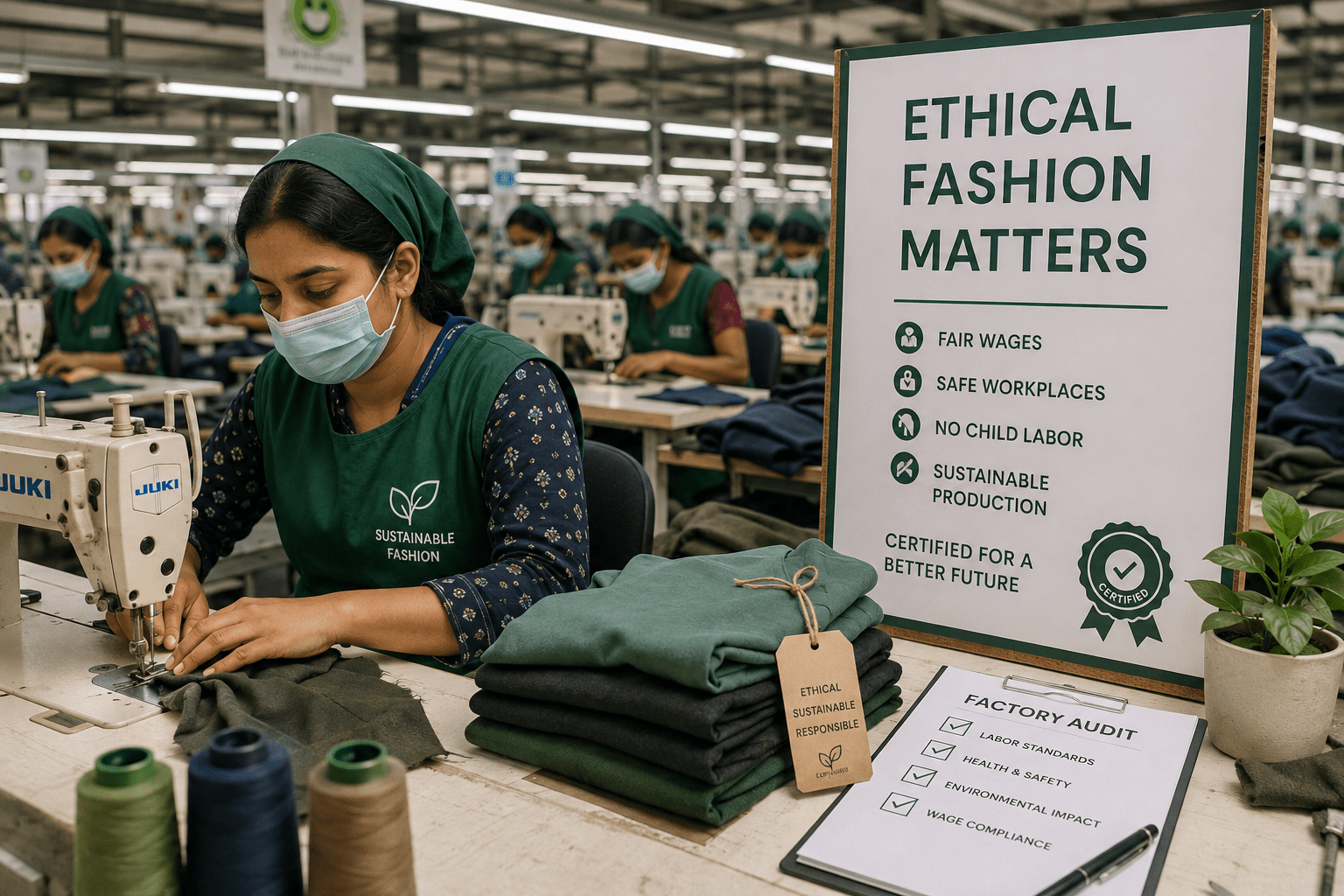
A few years ago, "ethical fashion" was mostly a marketing line. A soft-focus photo of a smiling worker, a paragraph about "values," maybe a small badge on the product page nobody really understood. Nice sentiment, not much substance behind it. That's not where things sit anymore. Buyers are asking for proof now, not promises. And the word doing most of the heavy lifting in that shift is certification.
Certified ethical fashion factories aren't a nice-to-have anymore, they're becoming the entry ticket for working with serious brands at all. So what actually changed, what do these certifications mean in practice, and how do you tell a genuinely ethical factory from one that's just good at talking about it? Let's get into it.
Certification has turned "ethical fashion" from a vague promise into something buyers can actually verify, and that shift is reshaping who gets to supply the industry.
Why Demand for Ethical Fashion Factories Is Growing
A few things are pushing this at once, and honestly, none of them are going away.
Customers are paying closer attention. Not everyone, sure, but enough that brands can't afford to ignore it, especially once a factory scandal hits the news and customers start asking pointed questions on social media.
Regulators are moving too. New rules across the EU and UK are putting real legal weight behind supply chain transparency, so "we didn't know" isn't much of a defence anymore.
Then there's the practical side. Brands have been burned by opaque supply chains before, a supplier that looked fine on paper turning out to have serious labour or safety issues buried a couple of tiers down. Certification gives buyers a way to catch that earlier, or at least reduce the odds of it happening.
Put it all together and you get a market where ethical clothing manufacturers with real, verifiable credentials are winning business that used to go to whoever offered the lowest price.
What Makes a Fashion Factory Ethical?
This gets asked a lot, and the honest answer is: it's not one thing. An ethical factory generally means fair wages, reasonable working hours, safe conditions on the floor, no forced or child labour, and workers who can actually raise concerns without fear of losing their job.
On the environmental side, it usually covers responsible water and chemical use, proper waste handling, and some level of energy efficiency.
The tricky part is that a factory can look great on a five-minute tour and still be hiding problems. That's exactly why the industry has leaned so heavily on third-party certification rather than just trusting a factory's own claims, or a brand's word that they "checked."
Why Certifications Matter in Ethical Fashion Manufacturing
Here's the blunt version: certifications matter because self-reporting doesn't work well enough on its own. A factory saying "we treat our workers fairly" is nice to hear. A factory that's been independently audited against a recognised standard, with a certificate you can actually look up in a public registry, is a very different level of confidence.
Certifications also give buyers a shared language. Instead of every brand inventing its own vague checklist, everyone can point to the same recognised standards, GOTS, OEKO-TEX, SA8000, and know roughly what's been checked and how.
That consistency is a big part of why ethical fashion certifications have become the default way buyers vet new suppliers, rather than one option among many.
Key Certifications Fashion Buyers Should Know
There's a genuine alphabet soup of certifications out there. Here are the ones that actually come up most often when buyers are vetting suppliers.
GOTS
The Global Organic Textile Standard covers organic fibre content and traces it through the whole production process, from raw material to finished garment. It also sets baseline social criteria, so a GOTS certified factory isn't just proving its cotton is organic, it's meeting labour requirements too.
The standard has been updated for 2026 with stricter transparency and traceability rules, which is worth knowing if you're comparing certificates that predate the update.
OEKO-TEX
OEKO-TEX Standard 100 is about chemical safety, testing fabric, yarn and finished garments for harmful substances. It doesn't cover labour conditions directly, but it's an important piece of the puzzle, particularly for brands that want to reassure customers their clothing won't leave them with a chemical exposure problem.
Fairtrade and SA8000
Fairtrade certification focuses on fair prices and better terms of trade for producers, often most visible in cotton farming rather than the factory floor itself. SA8000 goes deeper on the factory side, it's a genuinely tough standard covering wages, working hours, health and safety, and freedom of association, and it requires ongoing internal systems rather than just passing a one-time inspection.
Because of that, SA8000 tends to carry real weight with buyers who take social compliance seriously.
SMETA and Social Compliance Audits
SMETA (Sedex Members Ethical Trade Audit) isn't a certification exactly, it's a structured audit methodology that produces a detailed report on labour standards, health and safety, environment and business ethics.
Buyers often ask for a factory's latest SMETA audit summary as part of due diligence, alongside whatever formal certifications the factory holds. It's a good reminder that certifications and audits usually work best together, not as a substitute for each other.
How Fashion Brands Can Verify an Ethical Factory
Having a certificate is one thing. Making sure it's real and current is another, and it's a step a surprising number of buyers skip.
Start by asking for the actual certificate number, not just a logo on a website, and check it against the certifying body's public registry. GOTS, SA8000 and most SMETA-linked programmes all have searchable databases for exactly this reason.
Look closely at the scope too, a certificate might cover one factory or one product line, not the entire supplier's operations, so make sure it actually matches what you're buying.
It's also worth checking how recent the audit or certification is. Standards expire, and a factory that was compliant two years ago isn't automatically compliant today.
If a supplier hesitates to share certificate numbers, delays for weeks, or gets vague when you ask direct questions, that's usually a bigger red flag than anything on the factory tour.
What Fashion Buyers Should Ask an Ethical Factory
A short, direct list of questions tends to reveal more than a long, polite conversation. Worth asking:
- Can you provide your certificate numbers so I can verify them directly in the official registry?
- What's the scope of each certification, does it cover this specific facility and product line?
- When was your most recent audit, and can I see a summary of the results?
- How do you handle worker grievances, and is there a system in place beyond just "an open door"?
- Do you subcontract any part of production, and if so, are those facilities certified too?
A genuinely compliant factory will usually answer these quickly and specifically. Vague answers, or requests for more time to "pull that together," are worth taking seriously as a signal.
The Future of Ethical Fashion Manufacturing
Where this is heading looks fairly clear: more regulation, more scrutiny, and less tolerance for vague claims.
The EU's push toward mandatory supply chain due diligence and restrictions on things like destroying unsold stock are signs that ethical manufacturing is shifting from a voluntary nice-to-have into a legal requirement in more markets.
Expect certification bodies to keep tightening their standards too, as the recent GOTS update shows.
Digital traceability tools are also likely to play a bigger role, giving buyers real-time access to audit data rather than relying on a PDF a supplier sent eighteen months ago.
For sustainable fashion manufacturers willing to invest in genuine compliance now, that's a real opportunity, they'll be ready for a market that's only going to ask harder questions.