How Fashion Brands Can Improve First-Sample Approval Rates
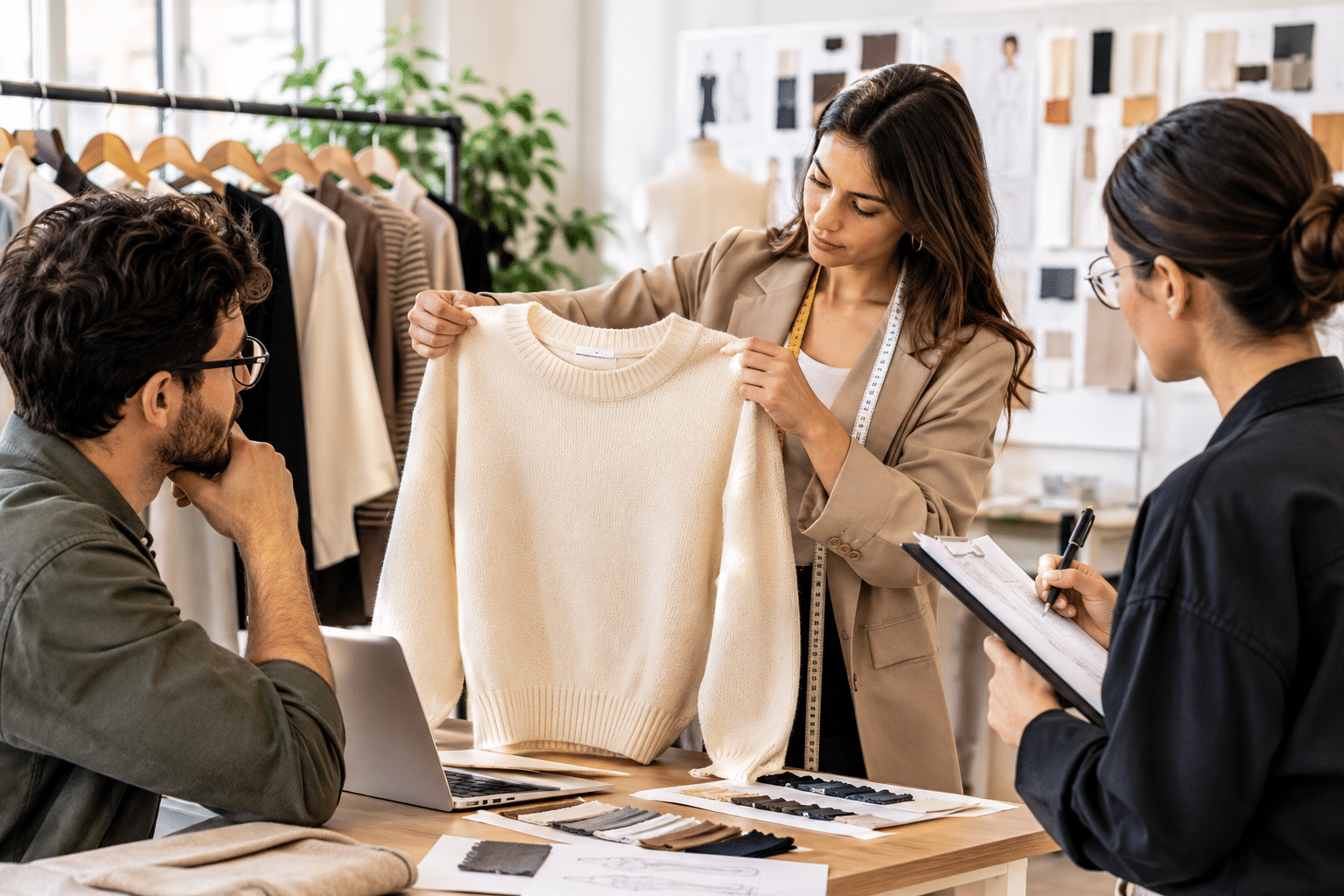
There's a particular kind of disappointment that comes with opening a sample box, pulling out the garment, and knowing within about three seconds that it's not right. Wrong fabric weight, a seam sitting slightly off, a fit that just doesn't match what was in your head. Back it goes, another round begins, and another two or three weeks quietly vanish from the schedule.
First-sample approval doesn't get talked about much, but it's one of the more telling numbers in a brand's whole production process. A high approval rate on the first try usually means the brief, the tech pack and the communication upstream were genuinely solid. A low one usually means something got lost well before the sample ever reached the factory floor.
Here's what actually drives first-sample approval rates, and what brands can realistically do to get more samples right the first time.
Better first-sample approval starts with clear briefs, accurate tech packs, the right materials and effective communication between fashion brands and manufacturers.
Why First-Sample Approval Matters
It's tempting to treat sample rounds as a normal, unavoidable part of fashion product development, and to some extent they are. But every failed first sample isn't just a minor inconvenience, it's two to three weeks of production lead time added on, fabric consumed for nothing, and a factory slot that now needs rebooking.
Multiply that across a full collection, and a low first sample approval process starts eating into launch timelines in a way that's genuinely hard to recover from later.
Brands who consistently get samples approved on the first attempt aren't necessarily working with better factories, more often, they're simply giving those factories better information to begin with.
Start With a Clear Brief Before Sampling
A lot of sample failures are decided before a single stitch gets sewn, right back at the brief stage. If the brief itself is vague, "make it feel elevated," "give it a relaxed fit", the factory is essentially guessing at what that means in practical terms.
A strong brief translates every subjective idea into something concrete. Not "elevated," but a specific fabric weight and finish. Not "relaxed fit," but exact ease measurements at key points. The clearer the brief, the less room there is for a sample to land somewhere different from what was actually pictured.
Get the Tech Pack Right From the Start
The tech pack is where that brief actually becomes buildable, and it's one of the single biggest factors in whether garment sample approval goes smoothly. Missing measurements, unclear construction notes, or an incomplete materials list all force a factory to fill gaps with their own best guess, and best guesses don't always match what the brand actually wanted.
A genuinely complete tech pack includes:
- Full specification measurements
- Clear construction and stitch details
- Exact trims and hardware
- Reference images wherever a description alone could be interpreted more than one way
Time spent tightening this document before it's sent almost always saves considerably more time than it costs.
Make Sure the First Sample Uses the Right Materials
It sounds obvious, but it's a genuinely common cause of sample rejection: the fabric or trims used for the first sample don't actually match what's been specified for production. Sometimes it's a substitution the factory made without flagging it clearly. Sometimes it's a placeholder fabric used because the real one hadn't arrived yet.
Either way, a sample made from the wrong materials can look and feel completely different from the finished product, which makes proper evaluation almost impossible.
Confirming the exact fabric and trims being used before the first sample is cut is a small check that prevents a genuinely frustrating rejection later.
Review the Sample Against Clear Approval Criteria
Reviewing a sample by gut feeling, "does this feel right", is a surprisingly common approach, and it's a genuinely unreliable one. Different people on the same team can walk away from the same sample with completely different impressions if there's no shared standard to check it against.
A proper fashion sample approval checklist should cover:
- Fit and sizing accuracy
- Construction quality
- Fabric match
- Colour accuracy
- Finishing and detailing
A clear checklist gives everyone reviewing the sample the same reference point. It also makes feedback considerably faster to write, since the reviewer is working through specific categories rather than trying to articulate a vague overall impression.
Give Manufacturers Clear, Actionable Feedback
This is where a lot of otherwise solid processes fall apart. "It needs to feel more premium" tells a factory almost nothing they can act on directly. "Increase fabric weight to 280gsm and switch to a matte finish trim" tells them exactly what to change.
Vague feedback doesn't just risk a second sample coming back wrong, it often means a full extra round is needed purely to clarify what should have been clear the first time.
Specific, measurable feedback is one of the most direct ways to improve clothing sample approval speed, because it removes the guesswork from the revision entirely.
Avoid the Common Reasons First Samples Get Rejected
A handful of issues show up again and again across the industry, and most of them are avoidable with a bit more upfront care.
- Incomplete or ambiguous tech packs
- Unconfirmed fabric or trim substitutions
- Unclear fit expectations with no reference measurements
- Feedback that describes a feeling rather than a specific change
- Rushed initial briefs that skip details assumed to be "obvious"
None of these are really about factory skill. They're almost all about information that didn't make it across clearly before the sample was ever cut, which is exactly why tightening communication upstream tends to fix more problems than switching manufacturers ever does.
Build a Better Approval Process With Your Manufacturer
A strong first sample approval process rarely happens by accident, it's usually the result of a brand and manufacturer deliberately agreeing on how the process will work before development even starts.
That means agreeing on what counts as an approved sample, how feedback will be delivered, and what a realistic turnaround time looks like for revisions.
Manufacturers who work regularly with a brand also start to understand that brand's specific standards over time, which is part of why long-term manufacturing relationships often see steadily improving approval rates. Consistency, on both sides, tends to compound.
What a Successful First-Sample Approval Looks Like
A genuinely successful first-sample approval isn't really about luck, it's the visible result of everything upstream being done properly. A clear brief translated into specifics. A complete, unambiguous tech pack. The correct fabric and trims used from the very first cut. And a review process working from clear, shared criteria rather than gut feeling alone.
Get those pieces right consistently, and garment sample development stops being the unpredictable, time-draining stage it so often becomes, and starts working the way it's actually meant to, as a quick confirmation that everyone's aligned, rather than the first real test of whether they ever were.