Luxury Knitwear Trends: The Rise of Soft Minimalism
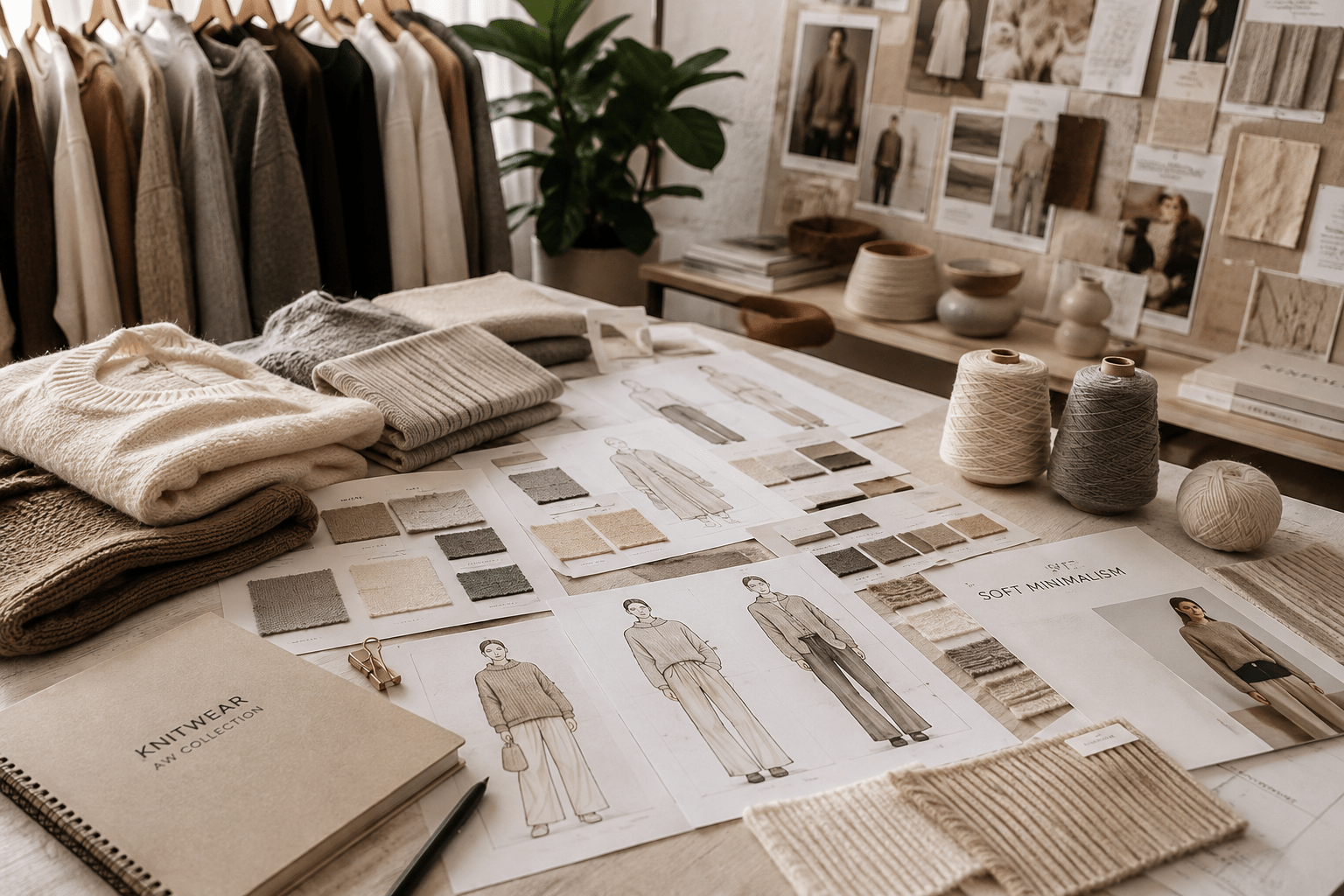
There’s a specific type of jumper that doesn’t demand attention. It has no logo, no bold print, and nothing flashy. It consists of soft, heavy, beautifully made knitwear that looks effortless and feels expensive as soon as you touch it. This is the essence of soft minimalism, which is currently quietly taking over luxury fashion.
After years of loud prints, statement branding, and quickly changing micro-trends, buyers and customers are now seeking something calmer. Knitwear is perfectly positioned to lead this shift. It’s tactile, versatile, and emphasizes quality that speaks for itself.
Here’s why soft minimalism is defining luxury knitwear right now and what fashion buyers should know before sourcing their next collection.
Soft minimalism is transforming luxury knitwear into one of fashion's vital categories, based on premium fibers, relaxed shapes, and quiet, confident design.
What Is Soft Minimalism in Luxury Fashion?
Soft minimalism is just what it sounds like: minimalism with warmth. It combines the clean lines and simplicity of classic minimalist fashion with tactile, cozy materials—think cashmere instead of crisp tailoring and brushed wool instead of sharp structure.
This style focuses on neutral colors, relaxed fits, and premium natural fibers, with almost no visible branding. The luxury comes from the quality of the fabric and craftsmanship, not from a logo. While it often aligns with the broader “quiet luxury” trend, soft minimalism is specifically about comfort and touch, making knitwear its natural home.
Why Luxury Knitwear Is Becoming a Key Category
Knitwear used to take a backseat in most collections; it was useful but rarely the main attraction. That is changing rapidly.
As customers shift to buying fewer, better pieces, knitwear fits well into that approach. A well-made cashmere sweater or fine merino knit isn't just seasonal; it’s an investment piece that gets worn frequently, layered in different ways and lasts for years. With the growing appeal of soft, comfort-driven dressing, knitwear has moved from a supporting role to the centerpiece of luxury collections.
Luxury Knitwear Trends Defining Upcoming Collections
Soft minimalism isn't just one style; it’s a blend of fiber choices, textures, and shapes all aimed at achieving a calm, elevated look. Here’s what we see across collections right now.
Premium Natural Fibres: Cashmere, Merino Wool & Silk Blends
Cashmere remains the gold standard for soft minimalist knitwear. It’s prized for its warmth, softness, and natural breathability. Fine merino wool and silk blends follow closely, offering a luxurious feel with added structure or drape depending on the piece. These natural fibers make soft minimalism work; synthetic options can’t replicate that tactile quality.
Textured Knitwear: Bouclé, Brushed Finishes & Tactile Surfaces
While the color palette remains subtle, texture is where knitwear shines. Bouclé knits, brushed finishes, and other tactile surfaces add depth and interest without needing bold colors or prints. This is a subtle way for brands to differentiate their collections while staying within the soft minimalist aesthetic.
Seamless & Innovative Knitting Technologies
Behind the scenes, seamless knitting technology is changing how these pieces are produced. Creating a garment in one continuous piece, instead of stitching panels together, results in a cleaner silhouette, reduces waste, and provides knitwear a smooth, second-skin fit that is essential to the soft minimalist look.
Relaxed Luxury Silhouettes & Lightweight Layering
Structure is becoming softer across the board. Oversized fits, gentle drapes, and lightweight layering pieces are replacing anything too fitted or formal. The goal is knitwear that moves easily with the body, is comfortable enough for daily wear, and still feels like a considered, luxury item.
Neutral Colour Palettes & Timeless Design
Beige, cream, camel, soft grey, and muted earth tones dominate soft minimalist collections for a reason. They are versatile, age well, and let the fabric quality stand out instead of the color. This restrained palette also makes these pieces easy to style from season to season, supporting the “buy less, buy better” mindset shaping luxury fashion today.
Sustainable Luxury Fibres & Artisan Craftsmanship
Sustainability pairs well with soft minimalism. Responsibly sourced cashmere, traceable wool, and artisan-made knitwear align with the idea of investing in fewer, longer-lasting pieces. Buyers increasingly expect transparency regarding fiber origin and production methods, not just a soft touch and neutral color.
The Premium Yarns Behind Luxury Knitwear
The main difference between an ordinary sweater and a truly luxurious one often comes down to the yarn. Long-staple cashmere fibers, for example, create a smoother, more durable knit with less pilling over time compared to shorter, lower-grade fibers. Fine-gauge merino offers structure without bulk, while silk blends contribute drape and a subtle sheen.
Yarn quality also influences how a garment ages. Premium yarns maintain their shape, resist wear, and retain their softness after multiple washes—exactly what soft minimalism and its customers are seeking.
Sustainability and Innovation in Luxury Knitwear
Sustainability has evolved from a nice option to an expectation in luxury knitwear. Certified sustainable cashmere programs, better animal welfare standards, and more transparent wool sourcing are becoming standard demands from buyers, not exceptions.
On the innovation front, seamless knitting technology continues to minimize fabric waste during production, as garments are shaped rather than cut from larger panels. Some mills are also exploring recycled cashmere and wool blends, giving surplus fiber a second life without sacrificing the soft, premium feel customers want.
How UK Fashion Brands Can Source Luxury Knitwear Successfully
Sourcing luxury knitwear effectively requires more than just finding a factory to make a jumper. UK brands aiming to build strong soft minimalist collections should focus on:
- Partnering with manufacturers who specialize in fine-gauge or seamless knitting, not just standard production lines.
- Confirming fiber origin and sourcing transparency, especially for cashmere and merino wool.
- Reviewing sample quality closely, since drape, softness, and stitch consistency determine whether luxury knitwear delivers.
- Carefully planning lead times, as premium yarns and specialized knitting may take longer to source and produce than standard fabrics.
- Building long-term supplier relationships, rather than one-off orders, to improve quality consistency and pricing over time.
What to Look for When Choosing a Luxury Knitwear Supplier
Not every knitwear manufacturer meets the soft minimalist standard. When evaluating suppliers, consider:
- Experience with premium natural fibers like cashmere, merino and silk blends.
- Access to seamless or fine-gauge knitting machinery.
- Clear sustainability credentials and fiber traceability.
- A strong sampling and finishing process, as small construction details significantly affect how luxurious a knit feels.
- Flexibility to support smaller, more considered production runs, which fits the “fewer, better pieces” approach driving this trend.
The Future of Luxury Knitwear: What’s Next After Soft Minimalism?
Soft minimalism likely won’t disappear anytime soon; comfort-driven luxury has lasting appeal. However, it will evolve instead of fading. Expect subtle texture play, gentle color experimentation within neutral palettes, and continued investment in sustainable, traceable fibers to shape the next chapter.
Technology will probably have a bigger role as well, from more advanced seamless knitting to improved tracking of fiber origin. The core idea is likely to remain the same: quiet, thoughtful, beautifully made knitwear that doesn’t need to shout to feel luxurious.
Conclusion
Soft minimalism has transformed knitwear from a seasonal staple into a key category in luxury fashion. It relies on premium natural fibers, relaxed silhouettes, restrained colors, and true craftsmanship—the exact blend today’s customers desire. For brands and buyers, understanding these trends and knowing what to look for in a knitwear supplier is crucial for creating collections that feel timeless rather than trend-driven.