Small-Batch Fashion Manufacturing: The Future of Slow Fashion
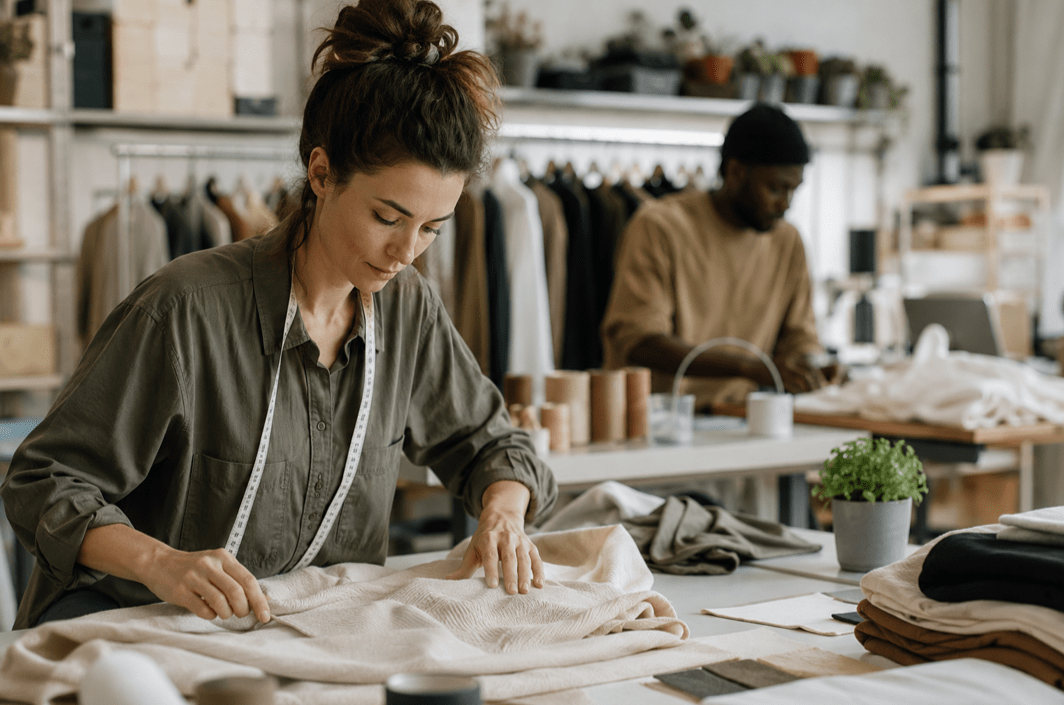
Fashion manufacturing has long been associated with mass production, but the industry's priorities are changing. As brands face growing pressure to reduce waste, respond faster to trends, and meet consumer demand for sustainability, small-batch manufacturing has emerged as one of the most effective production strategies. It is no longer simply an option for independent designers; it is becoming a competitive advantage for established fashion businesses embracing the principles of slow fashion.
The traditional fashion production model was built around large manufacturing runs designed to maximise economies of scale. While this approach can reduce the cost per garment, it often results in overproduction, excessive inventory, markdowns, and significant textile waste. Today, fashion brands are rethinking this model. Instead of producing tens of thousands of garments upfront, many are choosing smaller, carefully planned production runs that align with actual demand.
Small-batch manufacturing helps fashion brands reduce waste, improve quality, respond faster to market demand, and build more sustainable, agile supply chains.
What Is Small-Batch Fashion Manufacturing?
Small-batch manufacturing refers to producing garments in limited quantities rather than large-scale production runs. Depending on the brand, this could mean manufacturing anywhere from a few dozen to several hundred pieces per style.
Unlike mass production, where inventory is produced months in advance based on forecasts, small-batch production allows brands to manufacture closer to market demand. Collections can be tested, refined, and replenished only when required, reducing unnecessary stock and financial risk.
This flexible approach is particularly valuable for emerging brands, premium labels, direct-to-consumer businesses, and retailers looking to respond more quickly to changing consumer preferences.
Reducing Waste Across the Supply Chain
One of the biggest challenges facing the global fashion industry is overproduction. Millions of garments are manufactured each year but never sold, contributing to landfill waste, unnecessary carbon emissions, and financial losses.
Small-batch manufacturing helps tackle this issue by producing only what is needed. Brands can launch limited collections, monitor customer response, and reorder successful products instead of relying on speculative forecasts.
This demand-led production model not only reduces excess inventory but also improves inventory management, warehouse efficiency, and overall supply chain sustainability.
For manufacturers, smaller production runs often encourage more efficient planning and closer collaboration with brands, resulting in better resource utilisation throughout the production process.
Higher Quality, Greater Attention to Detail
Slow fashion places quality above quantity, and small-batch manufacturing naturally supports this philosophy. With fewer garments being produced at any one time, manufacturers can dedicate greater attention to craftsmanship, construction, fabric handling, and quality control.
This often leads to fewer defects, improved consistency, and garments that are designed to last longer. Consumers are increasingly seeking well-made clothing that delivers lasting value rather than disposable fashion.
Brands that prioritise quality are often rewarded with stronger customer loyalty, fewer returns, and improved brand reputation.
Greater Flexibility for Fashion Brands
Fashion trends evolve rapidly, but committing to large production volumes months in advance leaves brands vulnerable if consumer demand shifts unexpectedly. Small-batch manufacturing offers significantly greater agility.
Brands can introduce new collections more frequently, test new silhouettes, experiment with colours or fabrics, and react to customer feedback without carrying excessive inventory.
This flexibility also supports capsule collections, seasonal drops, collaborations, and exclusive limited-edition releases, strategies that create excitement while maintaining controlled production volumes.
For independent designers and growing brands, small-batch production also lowers the financial barriers to entering the market, making it easier to launch new products without investing in large inventory commitments.
Supporting Local and Nearshore Manufacturing
Small-batch production often works particularly well with local and nearshore manufacturing partners. Shorter production runs benefit from closer communication, faster sampling, reduced lead times, and simplified logistics.
As many brands seek to strengthen supply chain resilience, nearshore manufacturing provides additional advantages, including improved transparency, easier quality inspections, and lower transportation emissions.
This shift is encouraging many European manufacturers to diversify their services by offering lower minimum order quantities (MOQs), flexible production capabilities, and collaborative product development support.
Building a More Sustainable Fashion Industry
Sustainability is no longer measured solely by the materials used in a garment. Responsible production methods are becoming equally important.
Small-batch manufacturing contributes to sustainability by reducing overproduction, limiting waste, encouraging more responsible consumption, and allowing brands to make informed production decisions based on real market demand.
When combined with sustainable fabrics, ethical manufacturing practices, and transparent supply chains, small-batch production becomes a powerful tool for building genuinely responsible fashion businesses.
The Future of Fashion Production
As consumer expectations continue to evolve, brands are recognising that success is no longer defined by producing the highest volume of garments. Instead, it is increasingly measured by creating products that customers genuinely value while minimising environmental impact and improving supply chain efficiency.
Small-batch fashion manufacturing represents a smarter, more resilient production model that balances commercial performance with sustainability. It enables brands to innovate faster, reduce risk, improve quality, and build stronger relationships with both manufacturers and consumers.
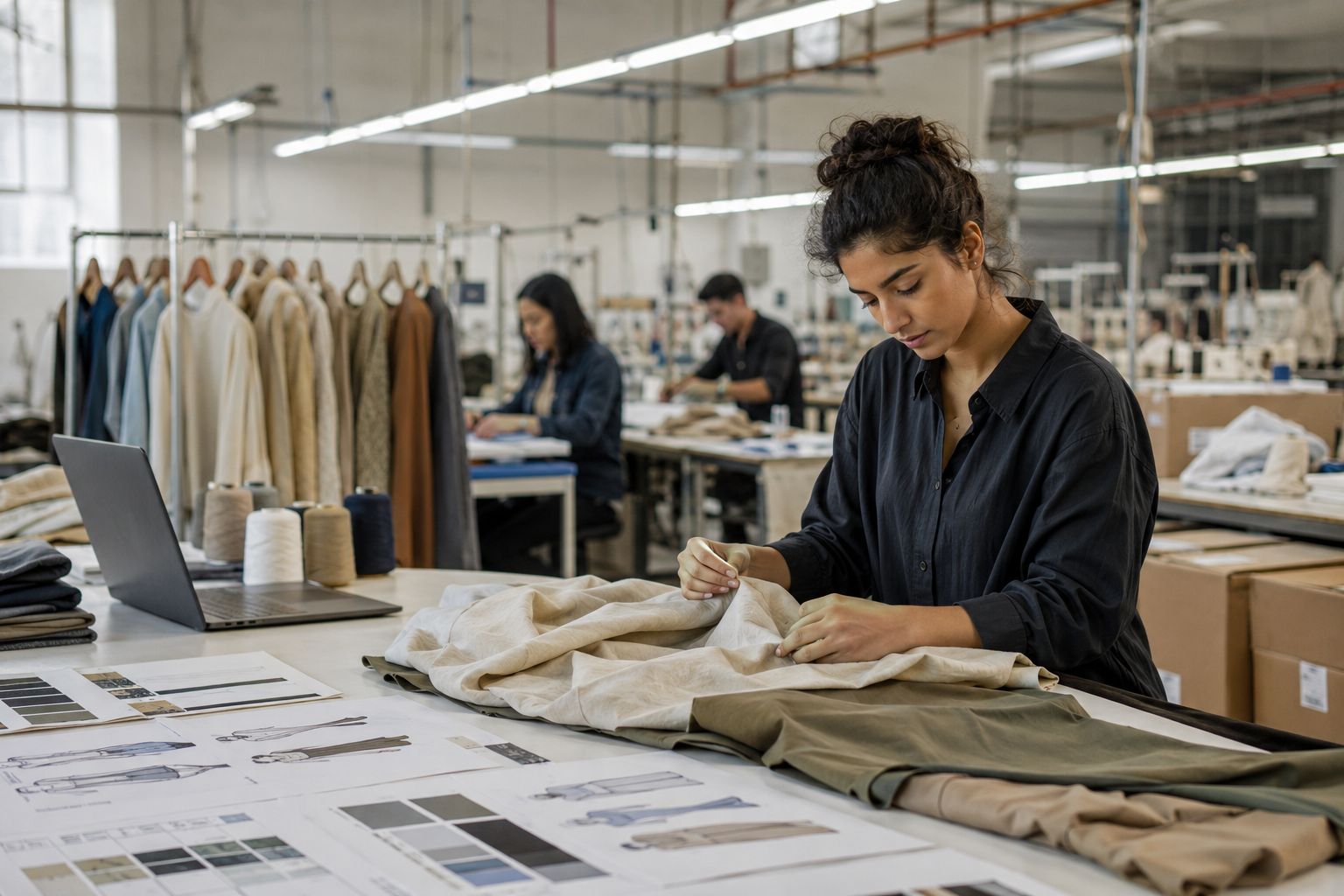
Why Traceability Matters More Than Ever in Fashion Manufacturing
For fashion businesses looking to embrace the future of slow fashion, small-batch manufacturing is no longer a niche production strategy. It is becoming an essential part of a more agile, responsible, and sustainable global fashion industry.