Sustainable Fashion Isn’t a Trend, It’s the New Standard
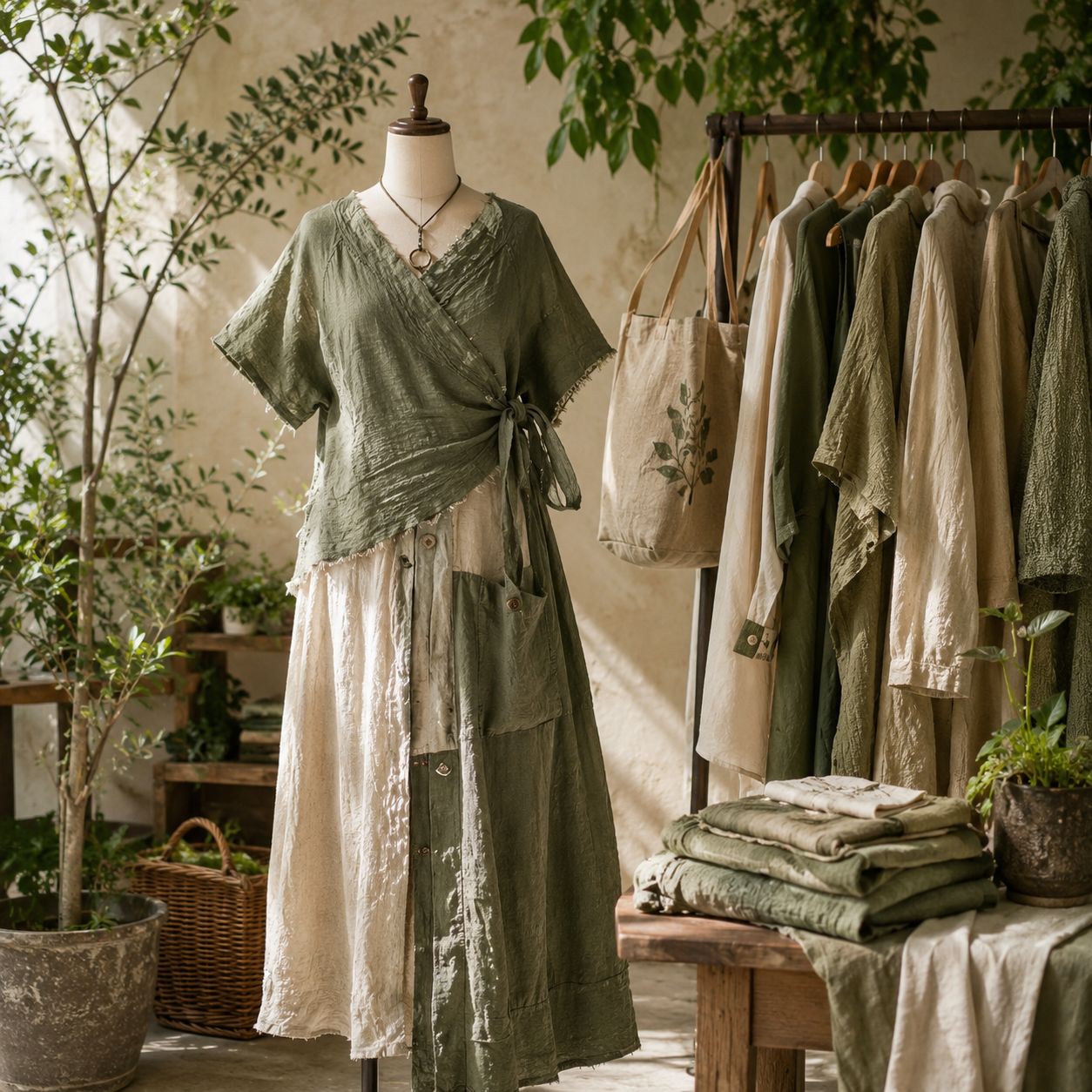
Fashion is no longer just about aesthetics, it’s about accountability.
Over the past decade, the global fashion industry has undergone a powerful shift. What was once considered a “niche” or “ethical alternative” is now redefining the mainstream.
Sustainable fashion is no longer a trend, it’s the new standard.
Sustainability in fashion is no longer optional — transparency, responsibility, and conscious production are now shaping the future of the industry.
From global brands to emerging designers, the pressure to adopt environmentally conscious and socially responsible practices is intensifying. But with this shift comes confusion.
Buzzwords are everywhere, labels are vague, and not everything marketed as “sustainable” truly is.
What is Sustainable Fashion, Really?
At its core, sustainable fashion refers to clothing, accessories, and footwear that are designed, produced, distributed, and consumed in ways that minimize environmental impact and maximize social responsibility.
True sustainability goes beyond eco-friendly fabrics and considers every stage of the supply chain.
- Ethical labor practices
- Reduced carbon footprint
- Responsible sourcing
- Waste reduction and circularity
- Transparency across the supply chain
In short, it’s about creating fashion that respects both people and the planet.
Greenwashing vs Real Sustainability
One of the biggest challenges in today’s fashion landscape is greenwashing — a marketing tactic where brands exaggerate or falsely claim sustainability to appeal to conscious consumers.
What is Greenwashing?
- Using vague terms like “eco-friendly” without proof
- Highlighting one sustainable aspect while hiding larger environmental harm
- Lack of transparency about sourcing and production
- Using misleading certifications or none at all
A brand may promote a sustainable collection made from organic cotton while still operating through unethical labor conditions and mass overproduction.
What Real Sustainability Looks Like
- Providing clear traceability
- Using certified materials
- Maintaining ethical labor practices
- Focusing on longevity and quality
- Sharing measurable impact reports
If a brand isn’t transparent, it’s not truly sustainable.
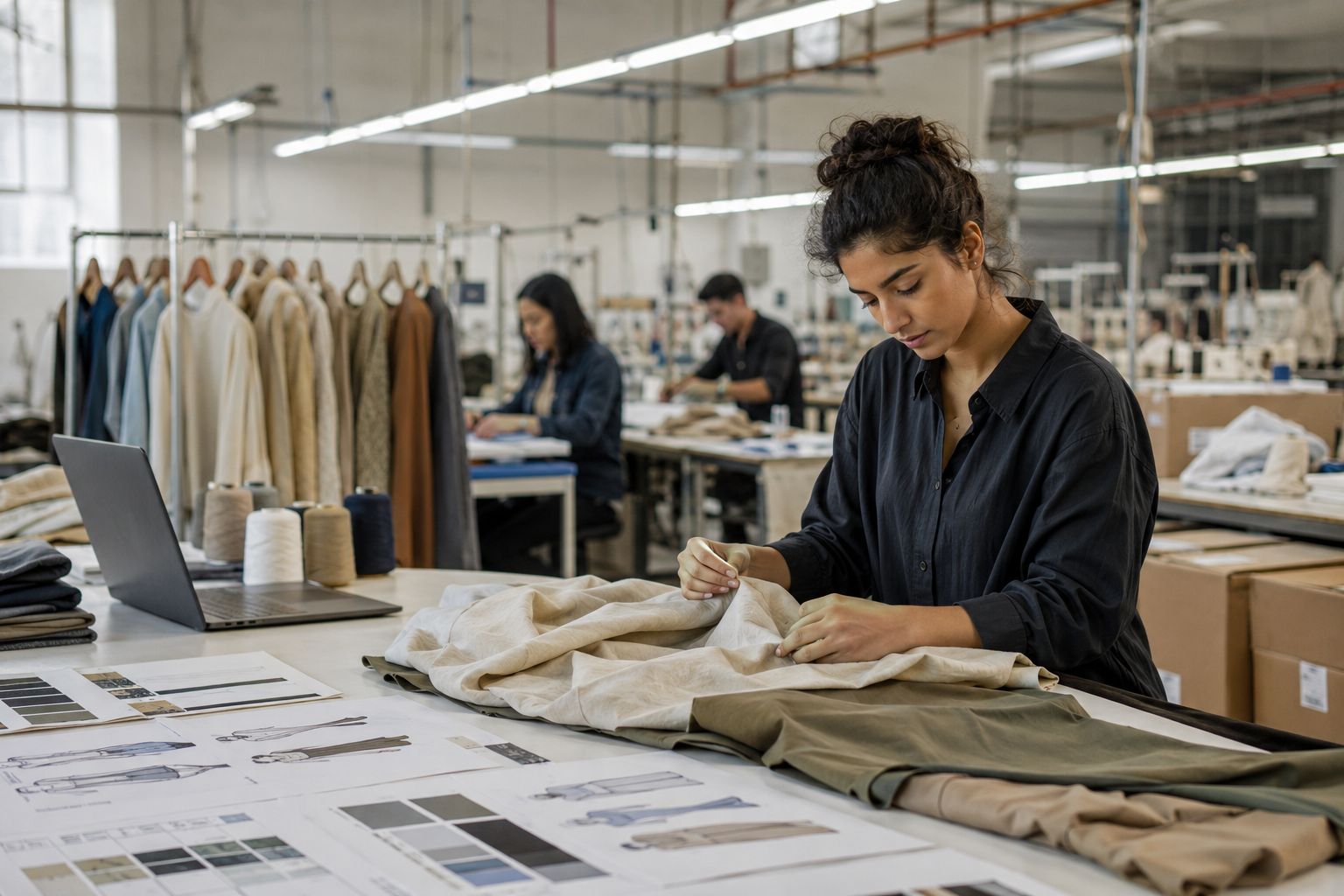
Why Traceability Matters More Than Ever in Fashion Manufacturing
Materials Leading the Sustainable Fashion Movement
1. Organic Cotton
Organic cotton is grown without synthetic pesticides, fertilizers, or genetically modified seeds. It uses less water and promotes healthier soil conditions.
- Reduces environmental damage
- Safer for farmers and ecosystems
- Better biodegradability
However, transportation, dyeing, and manufacturing processes still play a major role in sustainability outcomes.
2. Recycled Fabrics
Recycled materials like recycled polyester are created from post-consumer waste such as discarded garments or plastic bottles.
- Reduces landfill waste
- Lowers dependence on virgin resources
- Cuts energy consumption
Despite the benefits, synthetic recycled fabrics can still release microplastics during washing.
3. Bio-Textiles & Next-Gen Materials
The future of fashion lies in innovation. Bio-textiles are materials derived from natural or renewable sources created through advanced technologies.
- Mycelium leather from mushrooms
- Piñatex from pineapple leaves
- Orange fiber from citrus waste
These materials reduce reliance on animal products and support more circular production systems.
What Buyers Should Actually Look For
In a market flooded with sustainability claims, buyers need a sharper lens when evaluating brands and suppliers.
- Transparency and traceability
- Recognized certifications like GOTS and OEKO-TEX
- Long-lasting quality over quantity
- Ethical manufacturing standards
- Circularity and recycling initiatives
Sustainability isn’t just about how something is made — it’s also about how long it lasts and what happens after its lifecycle ends.

The Future of Fashion Sourcing Took Centre Stage in London
Why Sustainable Fashion is the Future
Sustainability is no longer optional. Consumer demand, stricter regulations, technological innovation, and long-term brand value are pushing the entire industry toward transformation.
Brands that fail to adapt risk becoming irrelevant in a rapidly changing market.
Sustainable fashion is not a fleeting movement or marketing gimmick — it’s a fundamental shift in how the industry designs, produces, and consumes fashion.
In 2026 and beyond, the question is no longer “Is this fashion sustainable?” — it’s “Why isn’t it?”