Womenswear Trends 2027: What Fashion Brands Should Manufacture Next
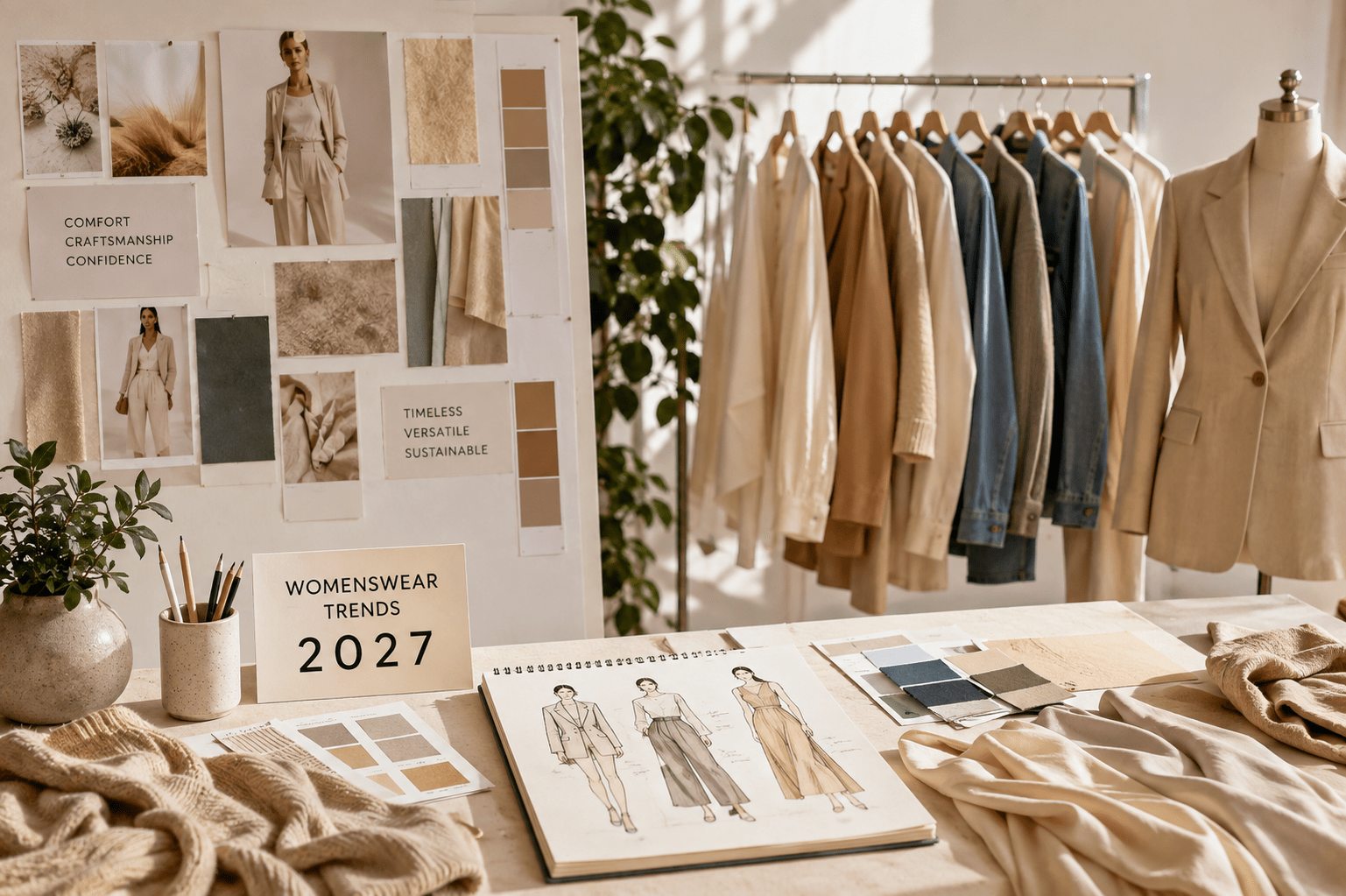
Already thinking about next year's womenswear range? You're ahead of the curve—and that's exactly where you want to be. 2027 is shaping up to be a season where comfort still matters, but so does a renewed sense of craft, polish and quiet confidence in what customers choose to wear.
Women's fashion trends 2027 are being shaped by shoppers who've settled into buying fewer, more intentional pieces while embracing styles that add personality to everyday wardrobes. That shift is changing what fashion brands should manufacture next and why planning early is more important than ever.
Womenswear manufacturing in 2027 is being shaped by comfort, craftsmanship and considered sourcing, giving brands a clear opportunity to build collections customers actually want to keep.
Womenswear manufacturing in 2027 is evolving around premium essentials, smarter sourcing, sustainable materials and versatile collections that balance comfort with elevated design.
What's Driving Womenswear Trends in 2027?
Several forces are influencing womenswear this year. Consumers continue to value comfort, but they're also looking for clothing that feels refined, expressive and built to last. Fashion brands are responding by investing in quality craftsmanship, versatile silhouettes and more flexible production strategies.
AI-powered forecasting, changing global trade conditions and growing demand for transparency are also reshaping how brands design, source and manufacture their collections.
The Womenswear Categories Fashion Brands Should Prioritise
Elevated Everyday Essentials
- Premium T-shirts and elevated basics.
- Refined shirting with better fabrics.
- Luxury loungewear designed for everyday wear.
Relaxed Tailoring and Modern Workwear
- Comfortable blazers with soft construction.
- Wide-leg trousers and structured separates.
- Modern office wear that balances style and comfort.
Premium Knitwear and Transitional Layers
- Lightweight knitwear for year-round dressing.
- Fine-knit cardigans and layering essentials.
- Textured sweaters offering versatility across seasons.
Modern Denim and Casualwear Evolution
- Relaxed and wide-leg denim silhouettes.
- Contemporary casualwear with elevated detailing.
- Timeless denim pieces designed for longevity.
Versatile Occasionwear
- Dresses that transition from day to evening.
- Statement separates with practical styling.
- Luxury fabrics adding personality without sacrificing versatility.
The Fabrics Defining Womenswear Collections in 2027
Natural and Regenerative Fibres
- Organic cotton with lower environmental impact.
- Responsibly sourced wool for premium collections.
- Regenerative cotton supporting healthier farming practices.
Recycled and Circular Materials
- Recycled polyester reducing virgin resource use.
- Regenerated nylon supporting circular fashion.
- Materials designed for durability and long-term wear.
Performance Fabrics Entering Womenswear
- Breathable fabrics for everyday comfort.
- Moisture-wicking materials beyond activewear.
- Stretch constructions improving fit and movement.
How Sustainability Is Influencing Womenswear Manufacturing in 2027
Sustainability has become a sourcing requirement rather than a marketing advantage. Buyers now expect clear evidence of responsible material sourcing, reduced environmental impact and transparent manufacturing practices throughout the supply chain.
Fashion brands are increasingly adopting smaller production runs, traceable supply chains and certified materials to reduce waste while improving flexibility and responsiveness to customer demand.
How Technology Is Changing Womenswear Product Development
Artificial intelligence is helping brands predict demand more accurately by analysing sales data, consumer behaviour and runway trends. This enables manufacturers to reduce overproduction while improving collection planning.
Digital sampling and 3D product development are also accelerating design cycles, allowing teams to review garments virtually before producing physical samples, reducing both costs and development time.
What Fashion Brands Should Consider Before Manufacturing Their 2027 Collections
- Does your product range reflect current customer buying behaviour?
- Are your materials aligned with sustainability expectations?
- Can your manufacturing partners support smaller, flexible production runs?
- Is your supply chain prepared for changing global trade conditions?
- Are forecasting tools and digital sampling guiding production decisions?
Conclusion
Womenswear trends 2027 continue the industry's move toward comfort-first fashion while introducing greater craftsmanship, versatility and refined styling. Categories including premium knitwear, modern tailoring and elevated essentials are expected to remain strong performers throughout the year.
For fashion brands, success will depend on working with reliable womenswear manufacturers capable of delivering quality, sustainability and production flexibility. Investing in thoughtful sourcing today will help build collections that meet evolving customer expectations and perform successfully in an increasingly competitive market.